
Why Japanese People Don’t Cut Their Nails at Night
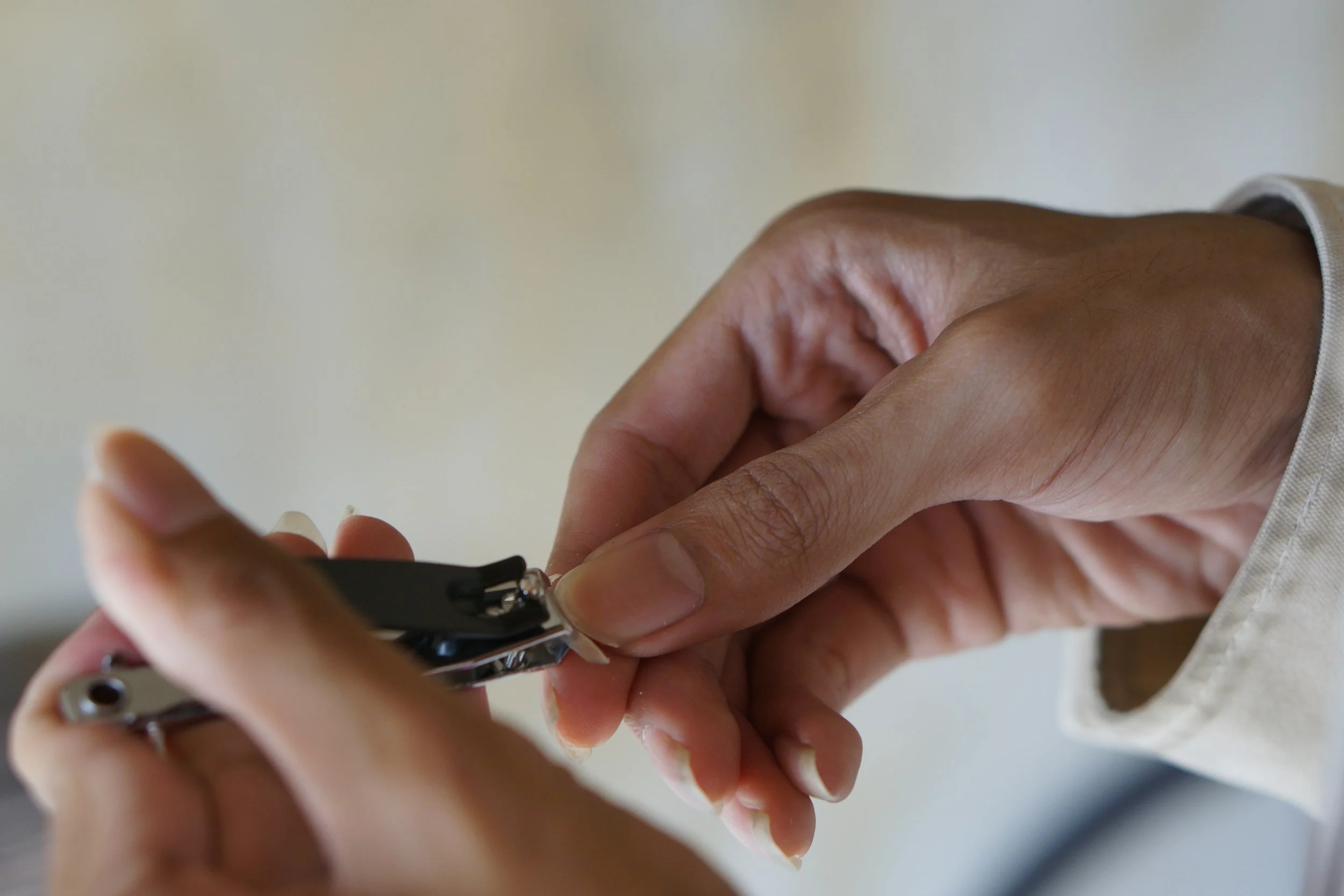
A little superstition, and the surprisingly clever Japanese nail clipper
There is an old saying in Japan that cutting your nails at night means you will not be there when your parents die.
It sounds rather dramatic.
Other old sayings are no more cheerful: cutting your nails at night is said to shorten your life, invite a fire, or bring bad luck and misfortune.
There are several theories about where these beliefs came from. One is surprisingly practical.
Long ago, homes were lit by much dimmer lights than we have today, and people sometimes used small knives to trim their nails. In the dark, it was all too easy to hurt yourself. What may have started as a warning to avoid unnecessary injuries gradually became a superstition passed down through generations.
And even today, cutting your nails is not entirely risk-free. Cut a little too deeply and you immediately know about it.
A very Japanese little tool
Japan has a long history of craftsmanship involving blades and cutting tools, so perhaps it is fitting that the everyday Japanese nail clipper is such a well-designed little object.
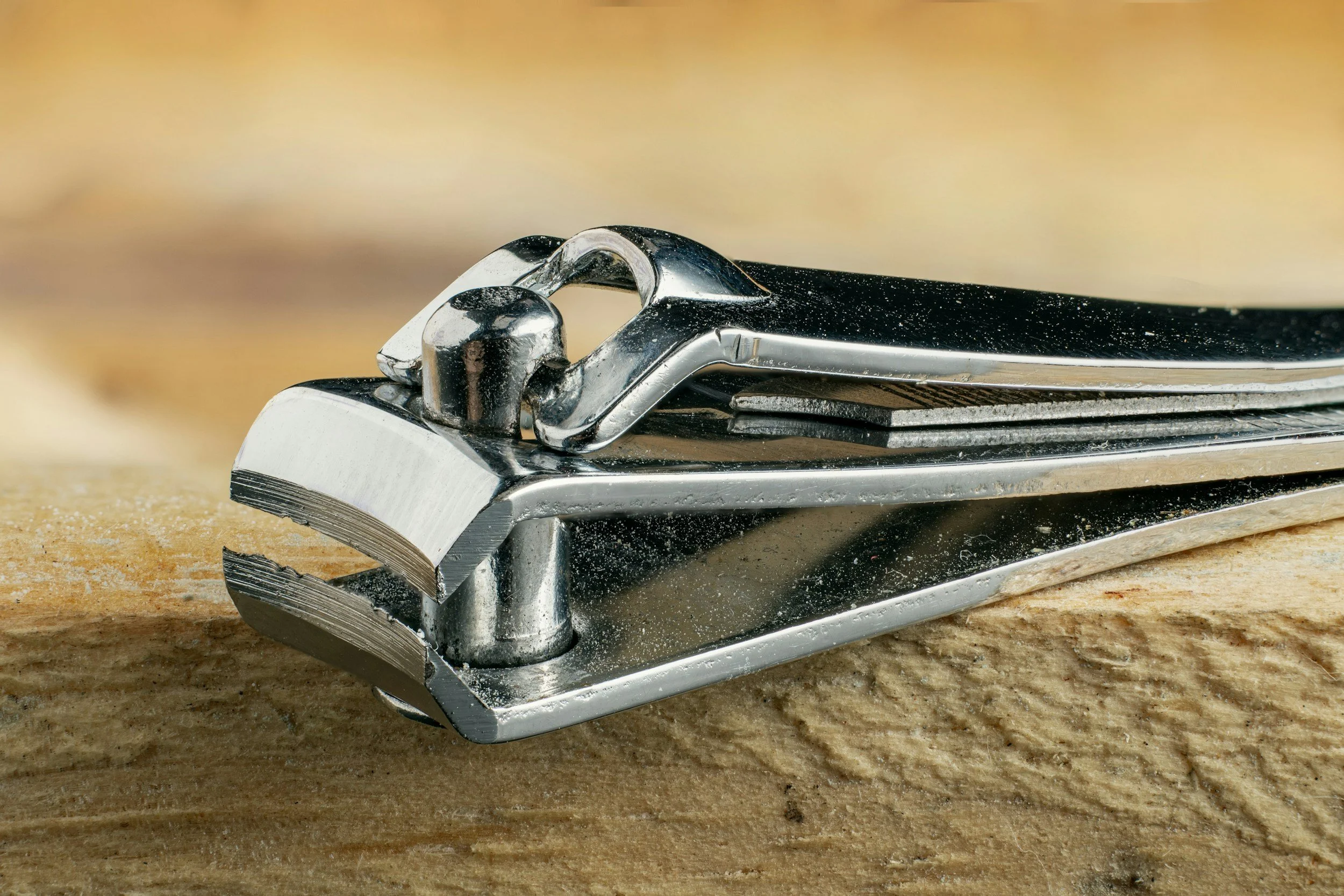
The type most commonly found in Japanese homes is the familiar lever-style clipper. It uses leverage to make cutting easy, and many Japanese nail clippers also have small side guards that catch the clippings rather than letting them fly across the room.
It is simple, practical, and reassuringly easy to use.
Nipper-style nail tools are also widely used, particularly in professional nail care. But in Japan, I rarely come across anyone who keeps a pair at home for ordinary nail trimming.
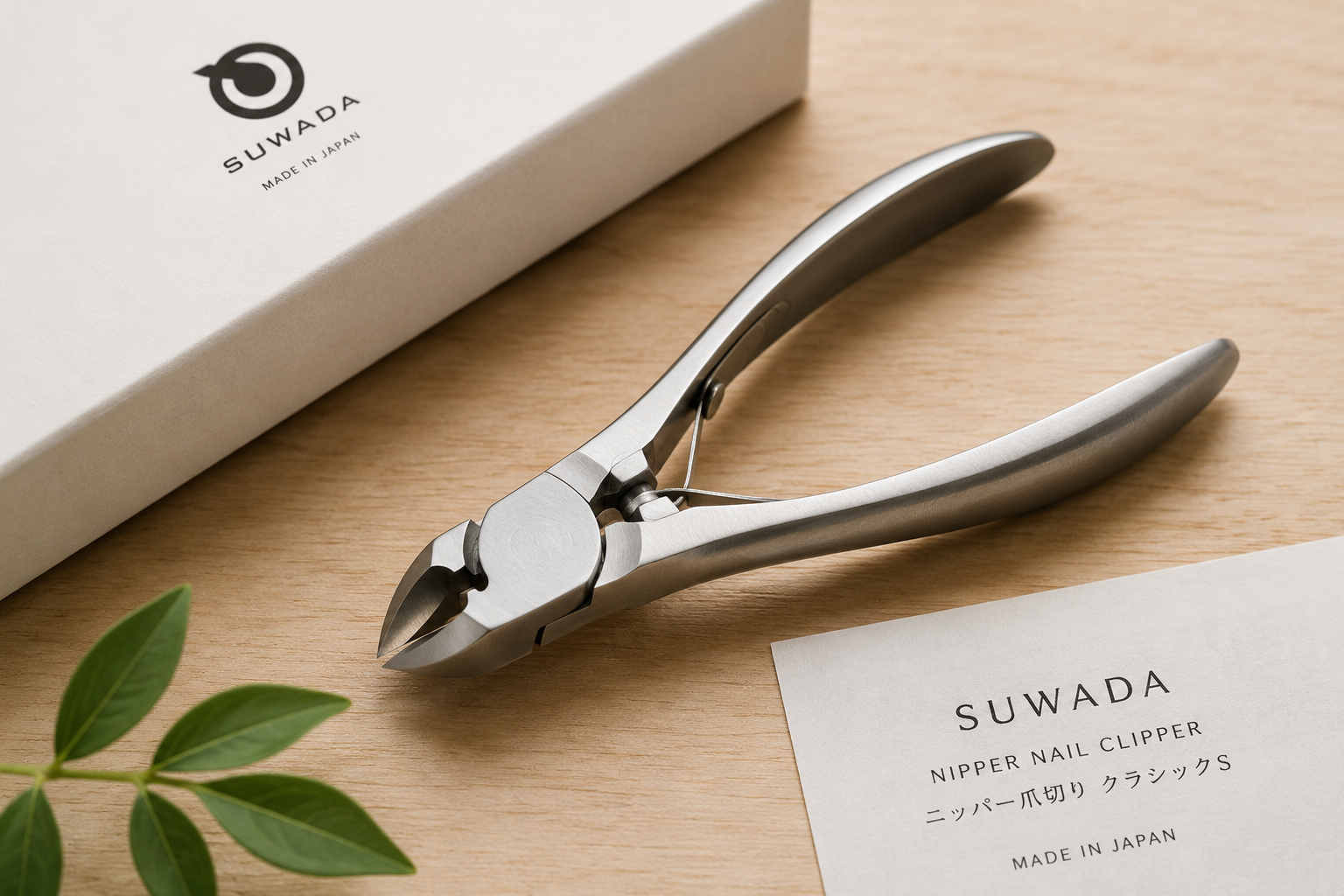
I sometimes think about what it would be like to cut my own nails with one.
Honestly, it feels a little intimidating.
Perhaps I would get used to it eventually.
The nail clipper that keeps disappearing
There is one more thing I have noticed about nail clippers—at least in my own home.
Whenever I suddenly need one, it seems to have disappeared.
I look around the room.
Nothing.
I check another drawer.
Still nothing.
Because a nail clipper is small, used only occasionally, and never really has a designated place, it somehow ends up in a completely different part of the house.
So, naturally, I have accumulated quite a collection of them.
I suspect I am not the only one.
Does this happen in your home, too?
Perhaps that is another small, universal story hidden inside an ordinary object.
The Japanese nail clipper is not particularly beautiful or exotic. It is simply a small tool designed to make an everyday task a little easier—and a little less messy.
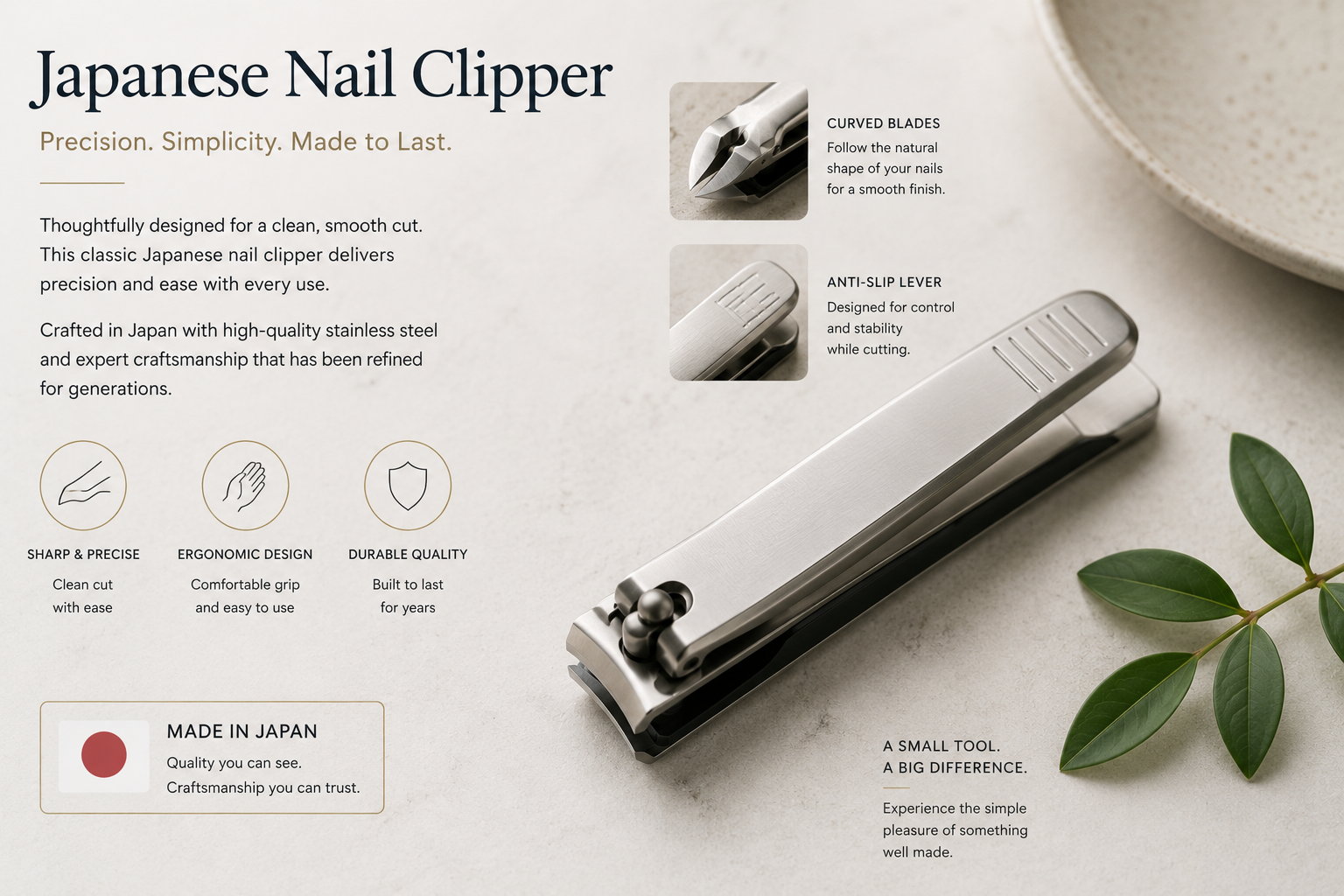
If you have never used one, give it a try sometime.
You might be surprised by how satisfying a really good nail clipper can be.
