
Bento: A Small Box of Everyday Japan.
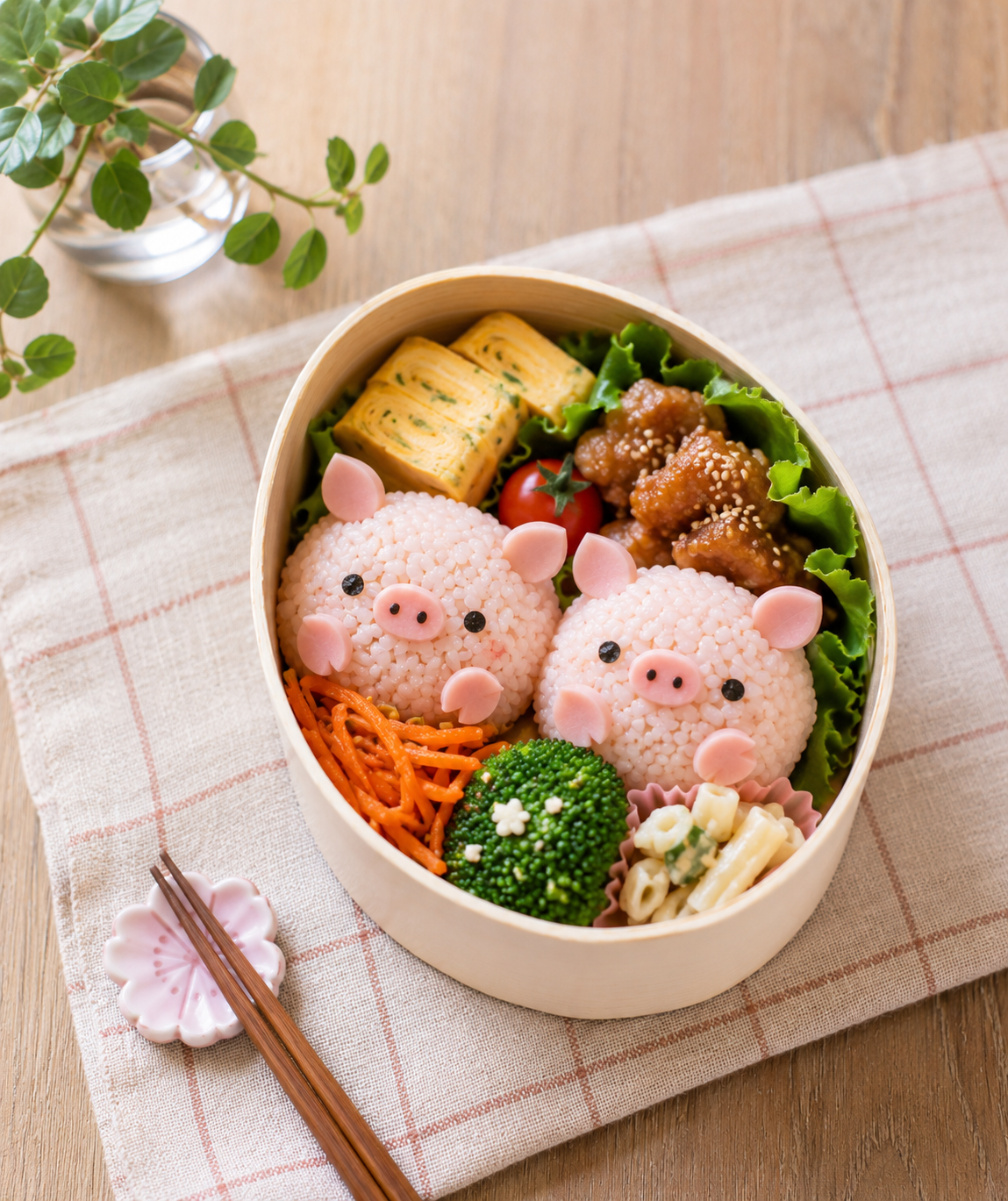
More than just a packed lunch
In Japan, lunch can come in many forms.
At school, many children eat kyūshoku, the school lunch served to everyone. But depending on the school, some children bring lunch from home instead.
For many Japanese families, making a bento is simply part of everyday life.
For a child, it might be a lunch prepared before school. Years later, that same child may find themselves carrying a bento to work.
A small box, packed at home, quietly follows us through different stages of life.
What goes into a bento?
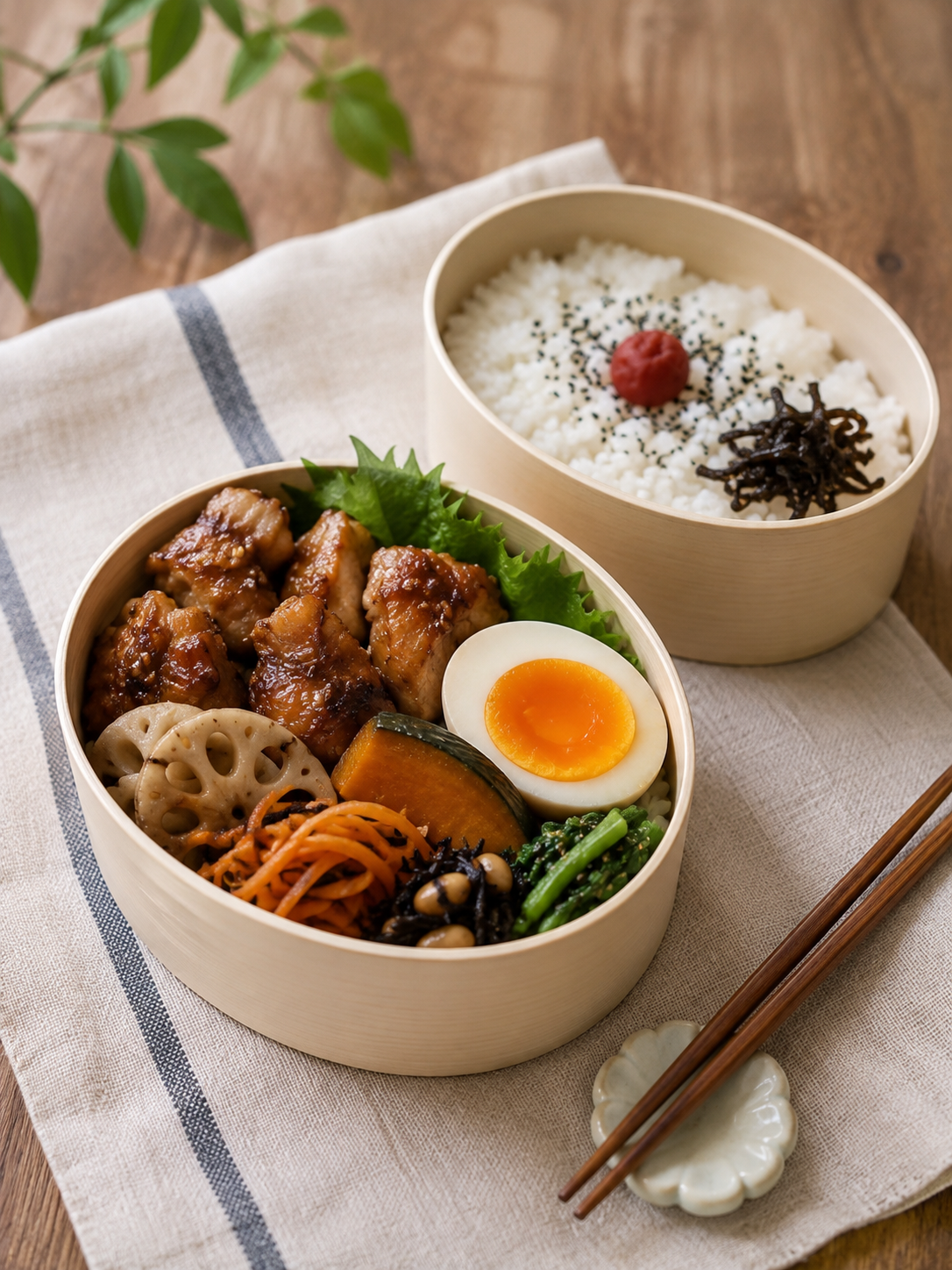
If you've watched American or European films, you may have seen children opening a lunch bag to find an apple, a sandwich, or a few snacks inside.
Lunch traditions vary greatly from country to country, of course. But in Japan, a child's lunch is often viewed a little differently.
A bento is generally expected to contain a reasonably balanced meal—perhaps rice or another staple, vegetables, protein, and sometimes fruit.
A lunch made up mostly of sweets or snacks might raise a few eyebrows in Japan.
Is that enough to eat?
Where are the vegetables?
Will they get enough nutrition?
There can be a strong sense that a parent's care is reflected in what goes into a child's lunch.
This may be one reason Japanese bento can sometimes become surprisingly elaborate.
A bento isn't only about filling a hungry stomach. It can also be a small expression of care.
Why bring a bento?
People bring bento for all sorts of reasons.
For some, bringing lunch from home is simply a way to spend less, especially when eating out every day can become expensive.
For others, it is about taking control of what they eat—choosing the ingredients, the portions, and the balance of the meal themselves. A homemade lunch can also be part of a healthier routine, or simply a way to manage their weight.
And sometimes, there isn't any particular reason at all.
It's just what we're used to.
A box for every kind of lunch
Perhaps because bento is such a familiar part of Japanese life, there is a remarkable variety of lunch boxes.
Wooden boxes, plastic boxes, slim boxes designed for taking to work, colorful ones for children, and beautifully made boxes that can make an ordinary lunch feel a little special.
There are also countless little accessories for arranging the food—small cups, picks, dividers, and decorations. Many can be found easily in Japanese supermarkets and everyday shops.
The bento box itself can be as practical or as playful as the person carrying it.
When lunch becomes a little work of art
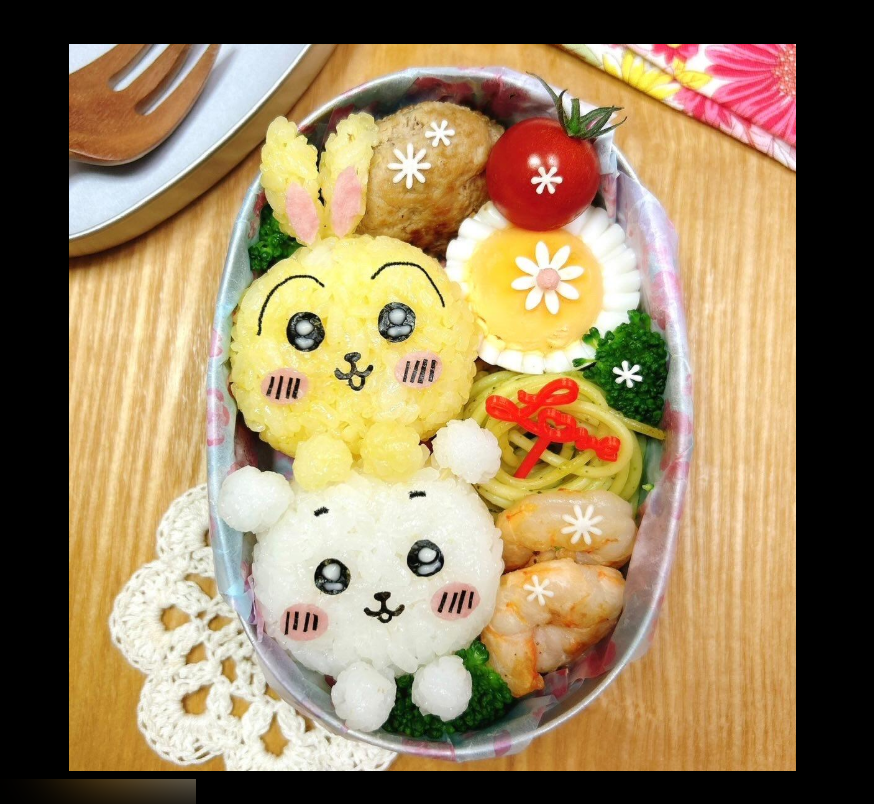
And then there is kyaraben, short for character bento.
Some parents turn an ordinary lunch into a favorite character, carefully shaping rice, vegetables, seaweed, and other ingredients into surprisingly detailed creations.
Some are so elaborate that they look less like lunch and more like miniature works of art.
Of course, not every bento looks like that.
Most are much simpler.
A few onigiri. Some vegetables. Tamagoyaki. Perhaps a few leftovers from the night before, neatly packed beside them.
And somehow, that may be the most Japanese part of all.
A bento doesn't have to be elaborate to be special.
It is simply a small piece of home, carried with you.
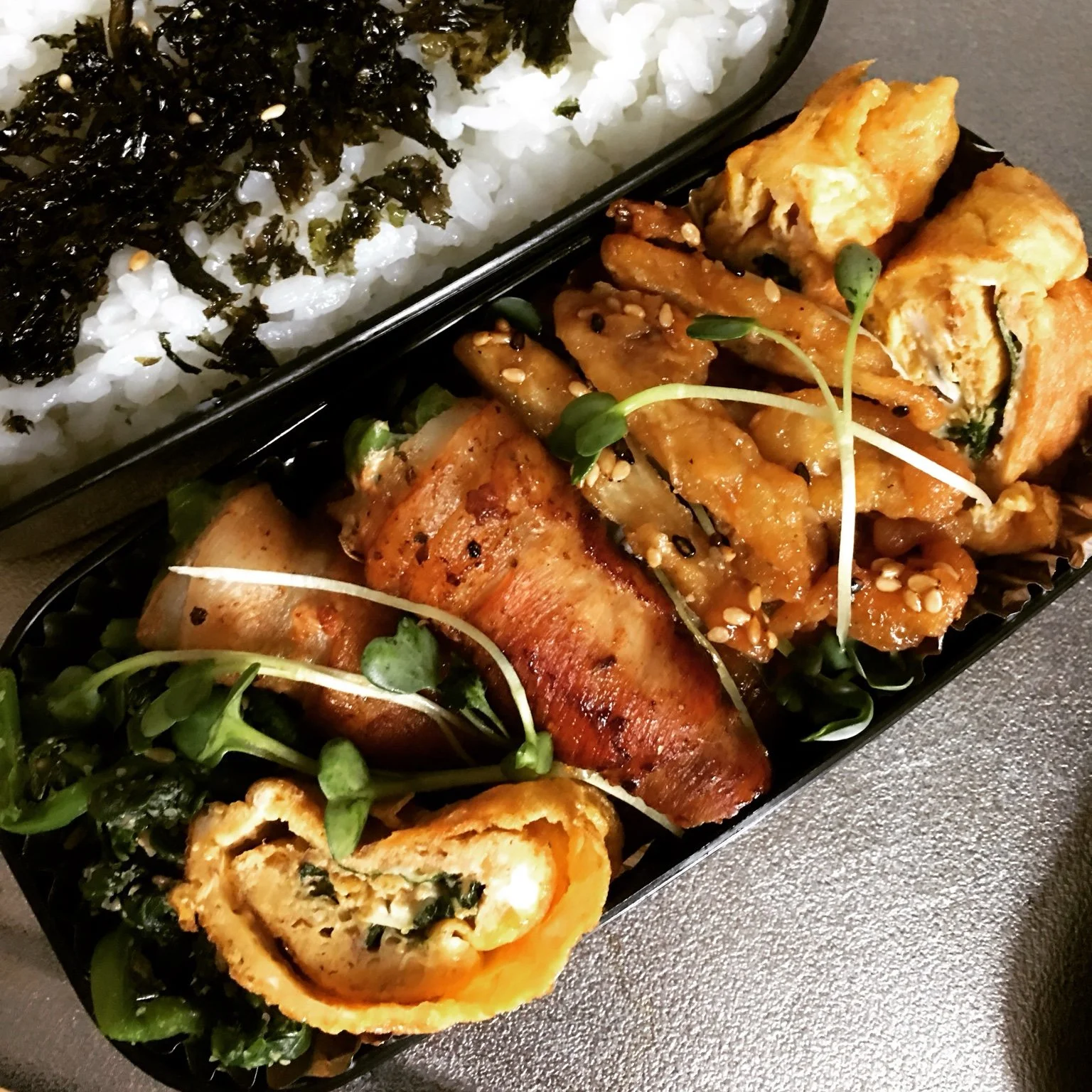
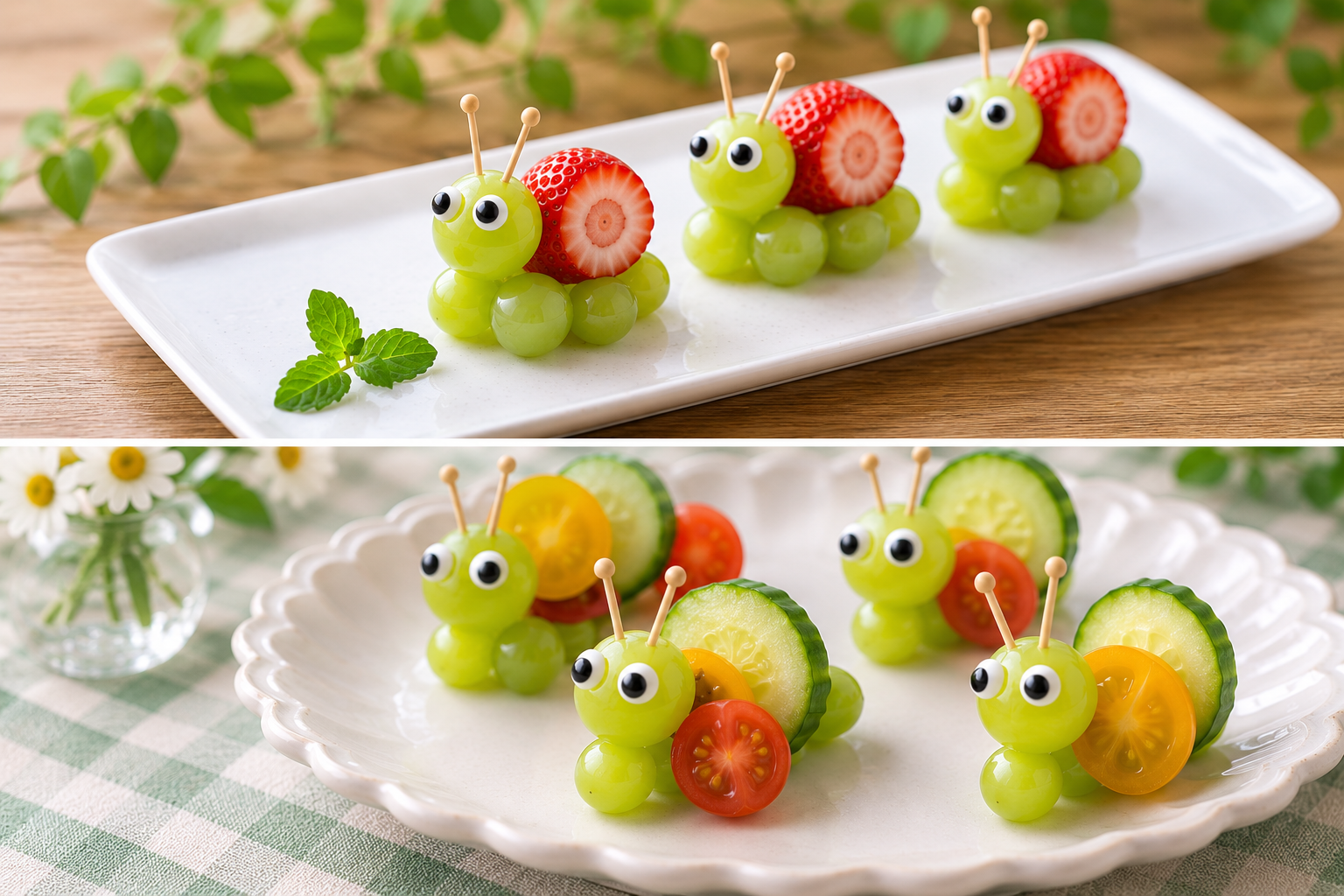
↑A bento I made for my son.
↓Japan Version
↓International Version
