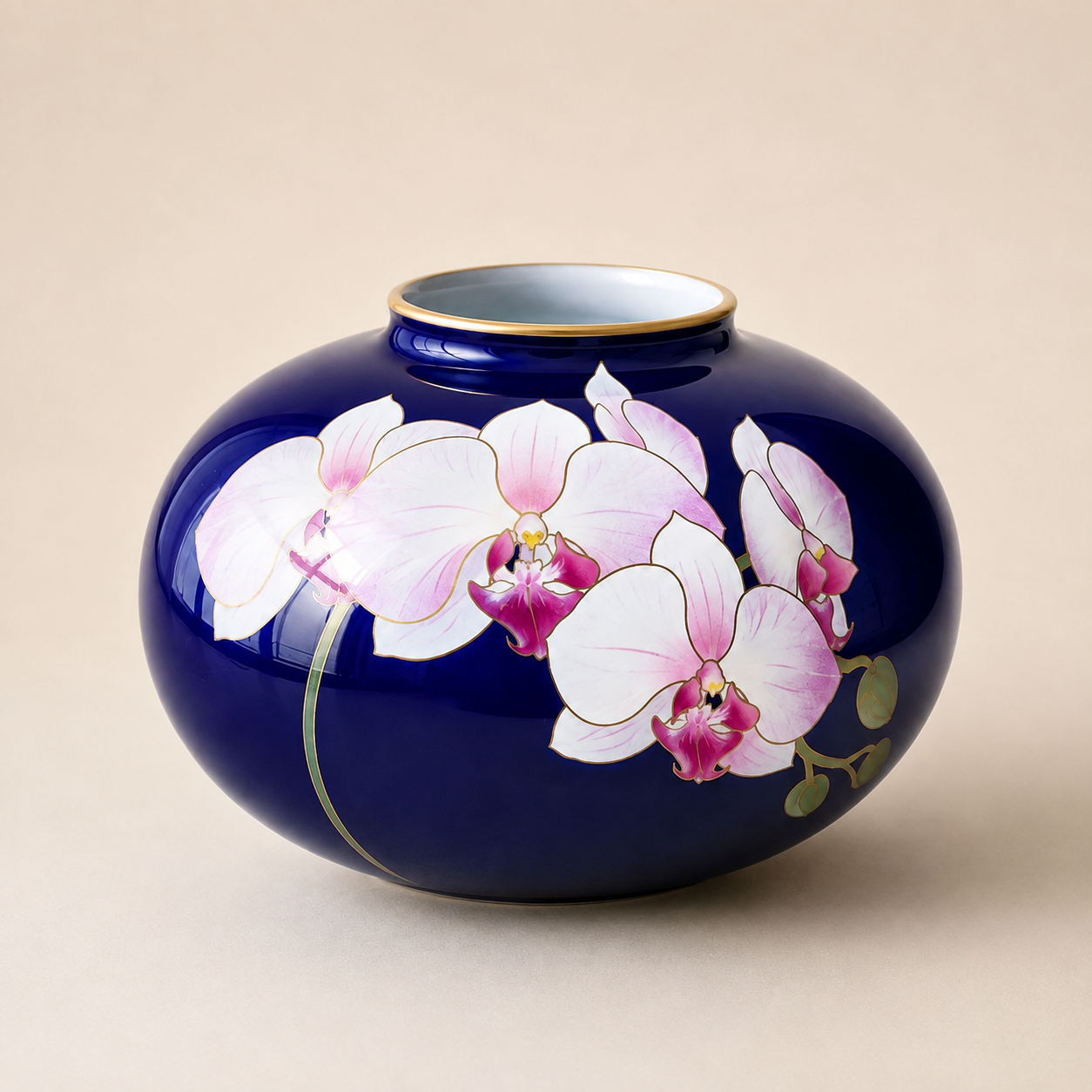
Arita Porcelain
Arita porcelain has been made in and around Arita, Saga Prefecture, for more than 400 years. Its history began in the early 17th century, when Korean potter Yi Sam-pyeong is said to have discovered porcelain stone at Izumiyama, leading to the first successful production of porcelain in Japan.
In the late 17th century, Arita porcelain began reaching Europe through the Dutch East India Company. Its luminous white surface and intricate decoration captivated European collectors and royalty. Styles such as Kakiemon and Old Imari became particularly renowned, while the distinctive Nabeshima style was produced under the patronage of the Nabeshima domain.
Arita porcelain is known for its delicate white body, cobalt-blue underglaze decoration, and colorful overglaze painting. Its influence eventually reached European porcelain makers, including Meissen in Germany.
After the Meiji era, the name Arita-yaki became widely established. Today, the tradition continues to evolve through contemporary design, new techniques, and collaborations, while preserving the craftsmanship that has shaped Arita for centuries.
More than four centuries after its beginnings, Arita porcelain remains a living tradition—one that connects Japanese craftsmanship with a much wider world.
Arita Porcelain
A living tradition shaped over four centuries.
The Object
Koransha Porcelain Orchid Vase
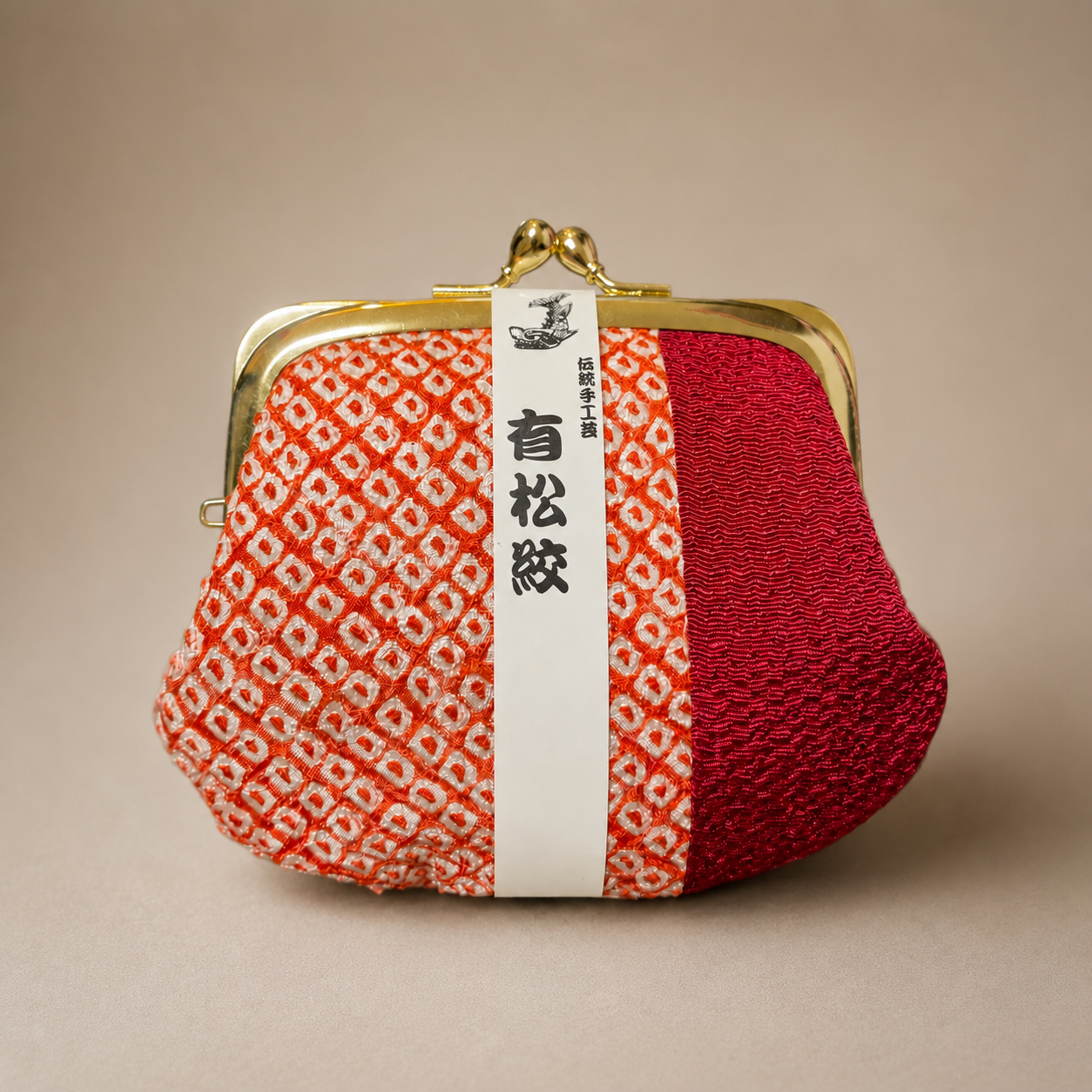
Arimatsu Shibori
Arimatsu Shibori began in 1608, when a new settlement was established along the Tokaido road in what is now Nagoya. The area was not well suited to farming, so local resident Takeda Shokuro is said to have found inspiration in tie-dyed garments worn by workers who had come to build Nagoya Castle. He began applying similar techniques to local cotton and selling the resulting hand-dyed textiles to travelers along the road.
As Arimatsu Shibori became known, the craft flourished under the protection of the Owari domain. In 1781, Arimatsu was granted exclusive rights to produce and sell shibori, helping establish the town as a center of the craft. Its distinctive streetscape, still visible today, developed during this period.
After the Meiji Restoration, the old privileges disappeared, but new techniques, wider markets, and technological innovation brought Arimatsu Shibori to another period of prosperity. The craft later declined as kimono became less common and inexpensive mass-produced textiles became widespread.
Today, Arimatsu Shibori continues as a living craft. Although many of its traditional techniques have disappeared, artisans and makers continue to preserve and reinvent the art, bringing its intricate patterns and painstaking handwork into contemporary life.
At its heart, shibori is a simple idea: gather, bind, and resist the dye. From that simple act, an astonishing variety of patterns can emerge.
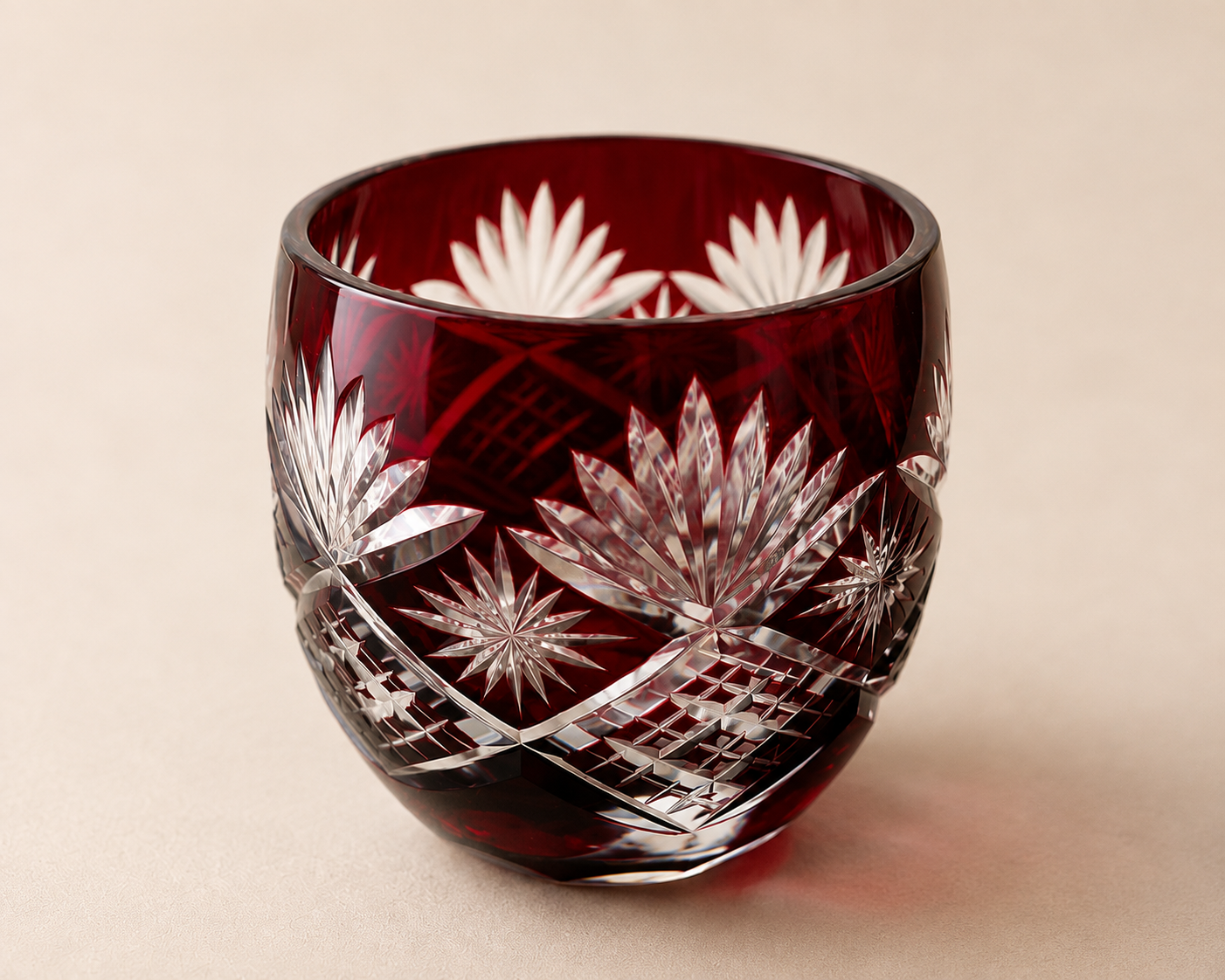
Edo-kiriko
Edo Kiriko is believed to have begun in 1834, when glassmaker Kaga Kyūbei created engraved patterns on glass using fine abrasive sand in Edo, present-day Tokyo.
The craft entered a new era in the Meiji period. In 1881, British glass-cutting expert Emanuel Hauptmann was invited to Japan, where he taught Japanese craftsmen techniques that helped shape the cutting methods still associated with Edo Kiriko today.
By the Taishō era and into the early Shōwa period, cut glass had become widely admired in Japan, appearing in everything from tableware to lamps. New techniques and the development of crystal glass further refined the craft.
The tradition suffered during the war and faced new challenges in the postwar years as mass production and inexpensive imports grew. Yet the craft survived. In the mid-20th century, the name Edo Kiriko was adopted as a unified identity, helping preserve its distinctive character as a Japanese craft.
Today, each cut is still made with care, transforming a simple surface of glass into patterns of light, depth, and movement.
What began as a small experiment in Edo has become a craft defined by the quiet relationship between glass, light, and the human hand.