
Obon: When Japan Welcomes the Spirits Home
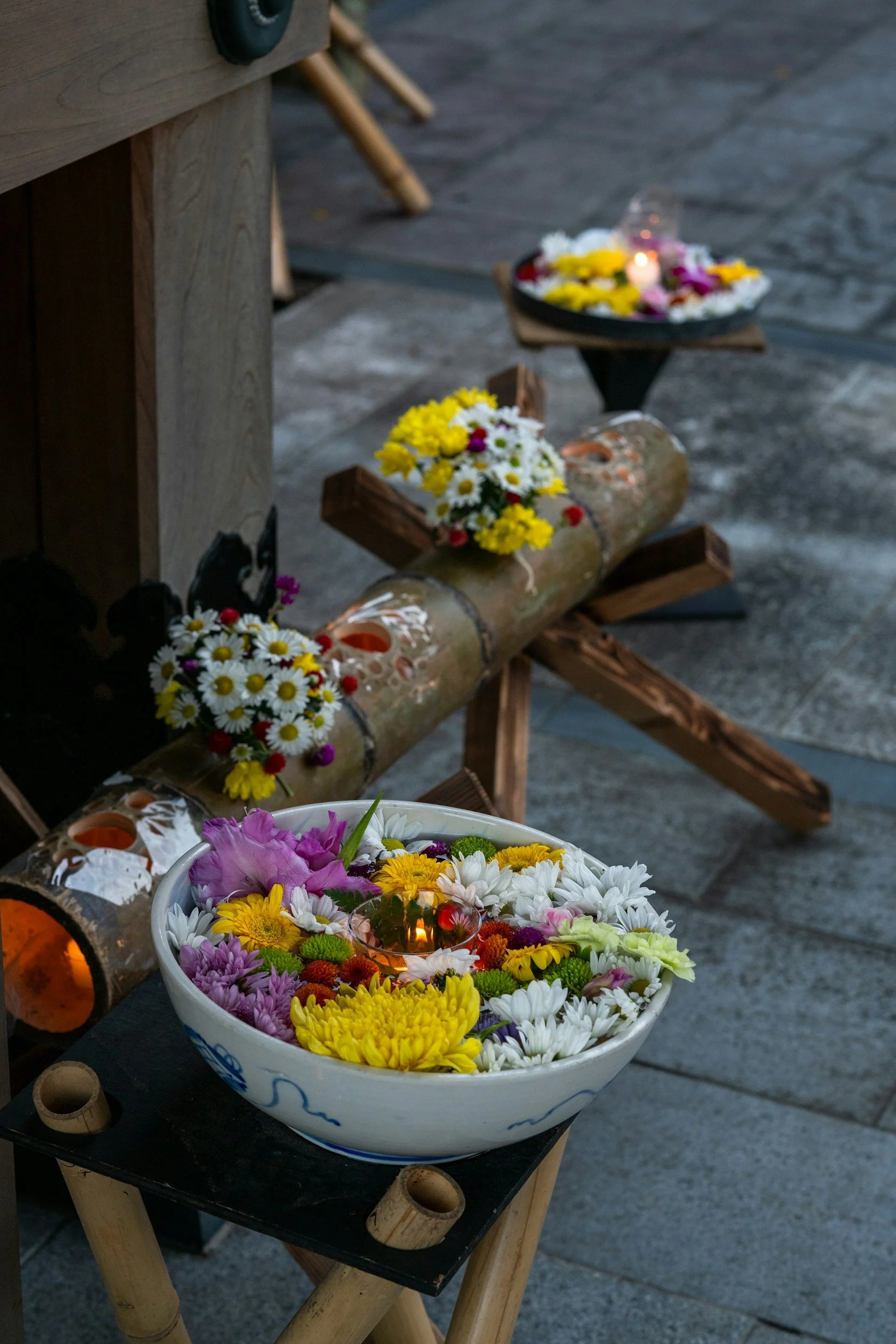
Every summer, Japan has a quiet season for remembering those who are no longer here.
In many parts of Japan, the middle of August is the season of Obon — a time when families welcome the spirits of their ancestors home, spend a few days remembering them, and then see them off again.
Obon has its roots in the Buddhist tradition of Urabon-e, and its history in Japan goes back more than a thousand years. The Nihon Shoki records a Buddhist observance on the fifteenth day of the seventh month as early as 606, while a ceremony specifically described as Urabon-e was held during the reign of Empress Saimei in 657. Over the centuries, the practice gradually became part of everyday life, blending with older Japanese traditions of honoring ancestors.
Today, Obon is less about one single religious ceremony than a collection of customs that vary from place to place.
And some of those customs are wonderfully tangible.
A Journey Home
In many households, the first day of Obon begins with mukae-bi, or welcoming fire.
A small fire is lit outside the home, traditionally to help guide the spirits back.
At the end of Obon, okuri-bi, or sending-off fire, is lit to see them on their way again.
Between these two fires lies the heart of Obon: a few days in which the boundary between the living and the dead is imagined as a little closer than usual.
A Horse Made of Cucumber, a Cow Made of Eggplant
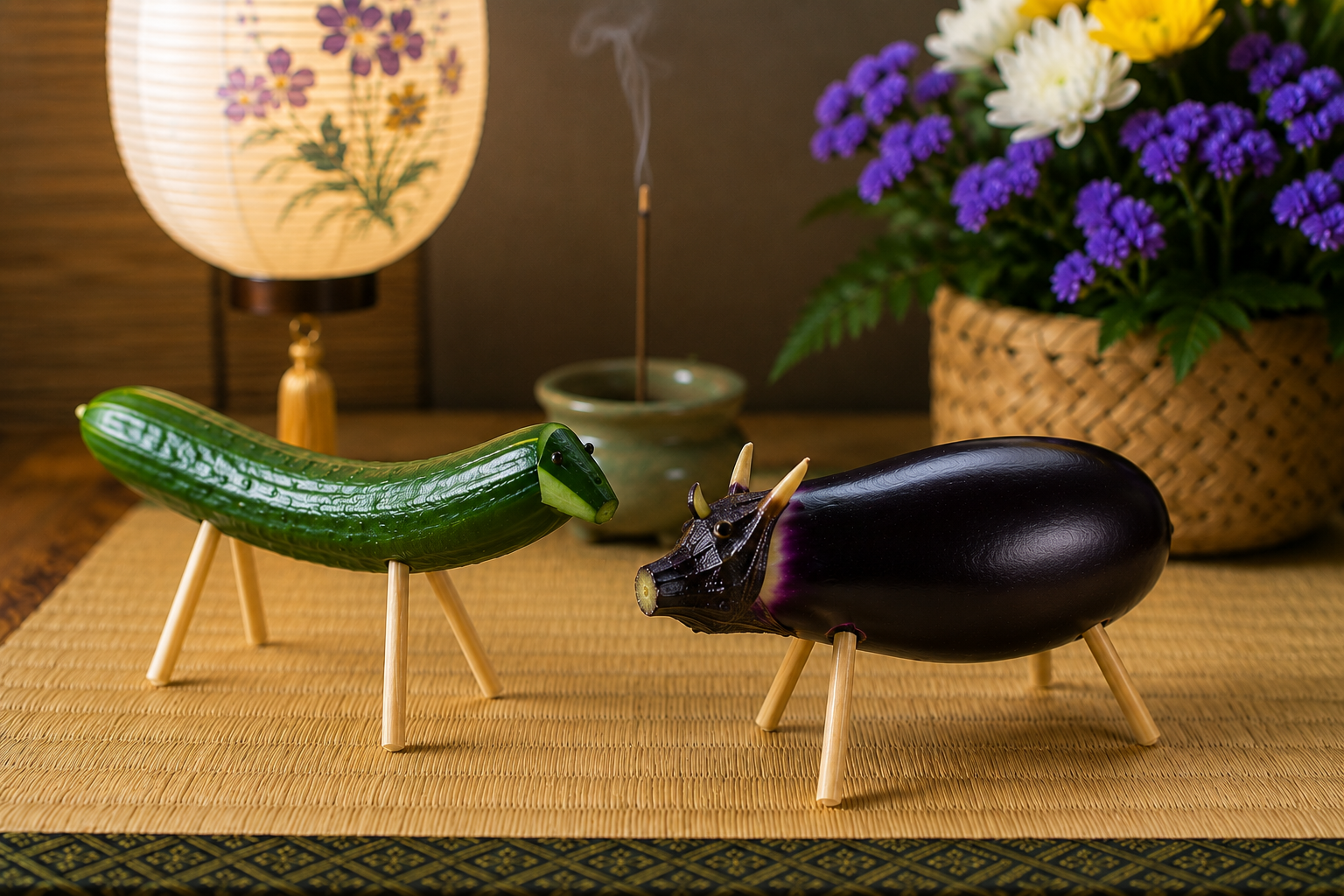
One of the most charming Obon customs is the shōryō-uma, or spirit horse.
A cucumber is given four legs, usually made from small sticks, and placed among the offerings.
An eggplant may be made into a similar animal.
The cucumber becomes a horse, because it is quick.
The eggplant becomes a cow, because it is slow.
The idea is beautifully simple:
come home quickly, and take your time going back.
In some traditions, the horse brings the ancestors home swiftly, while the cow carries them — and the offerings — gently back to the other world.
Not every region follows this custom, but where it does, these humble vegetables become something more than food.
They become vehicles.
A Season Made of Small Things
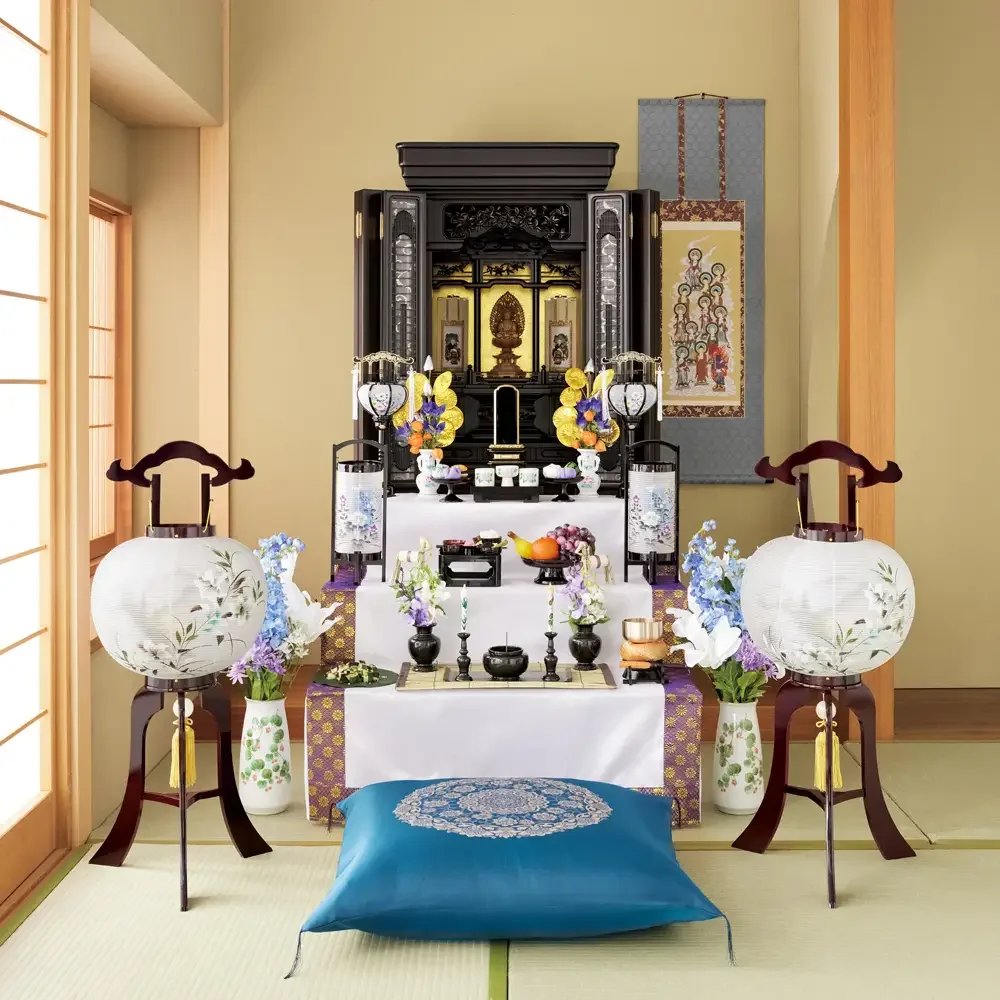
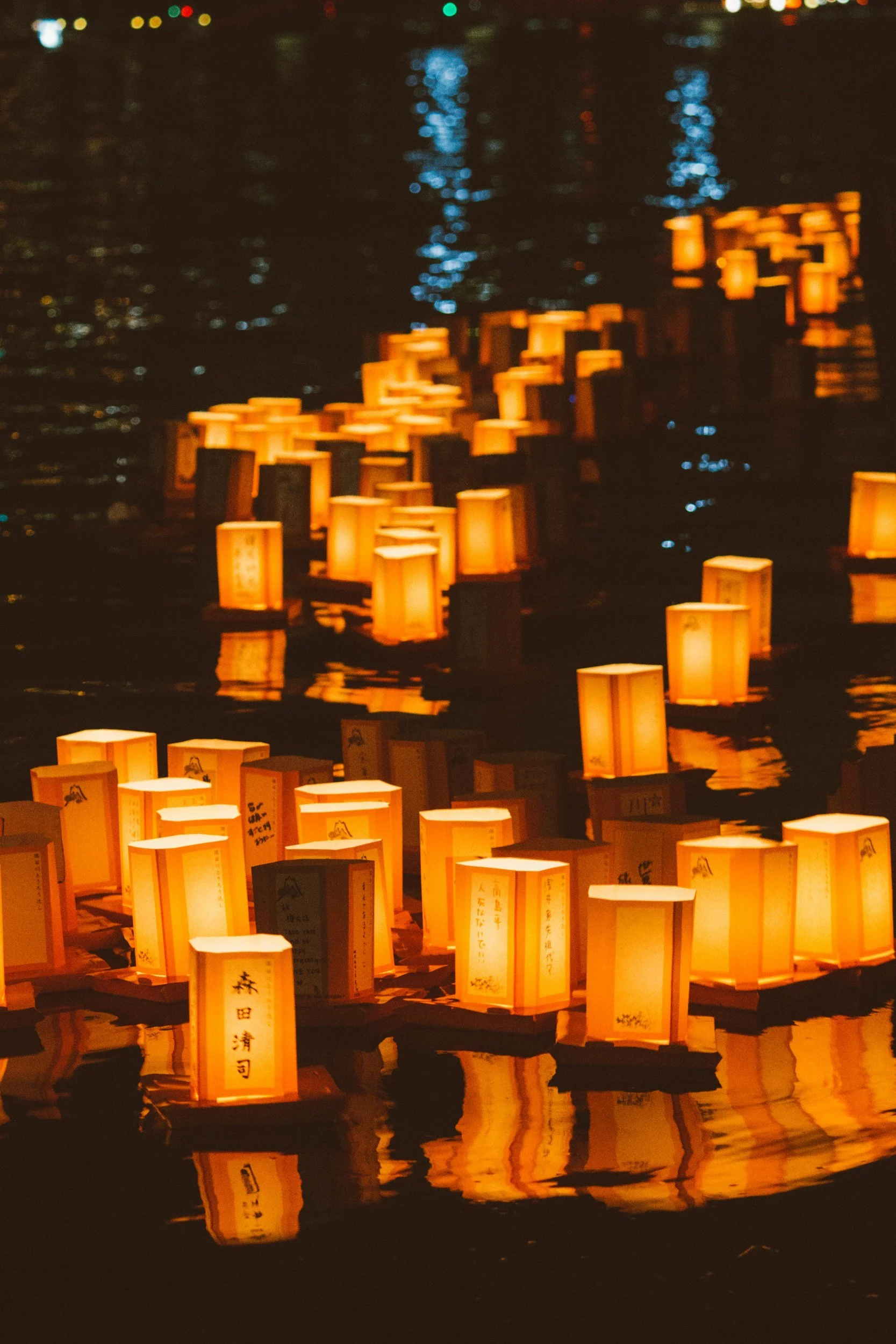
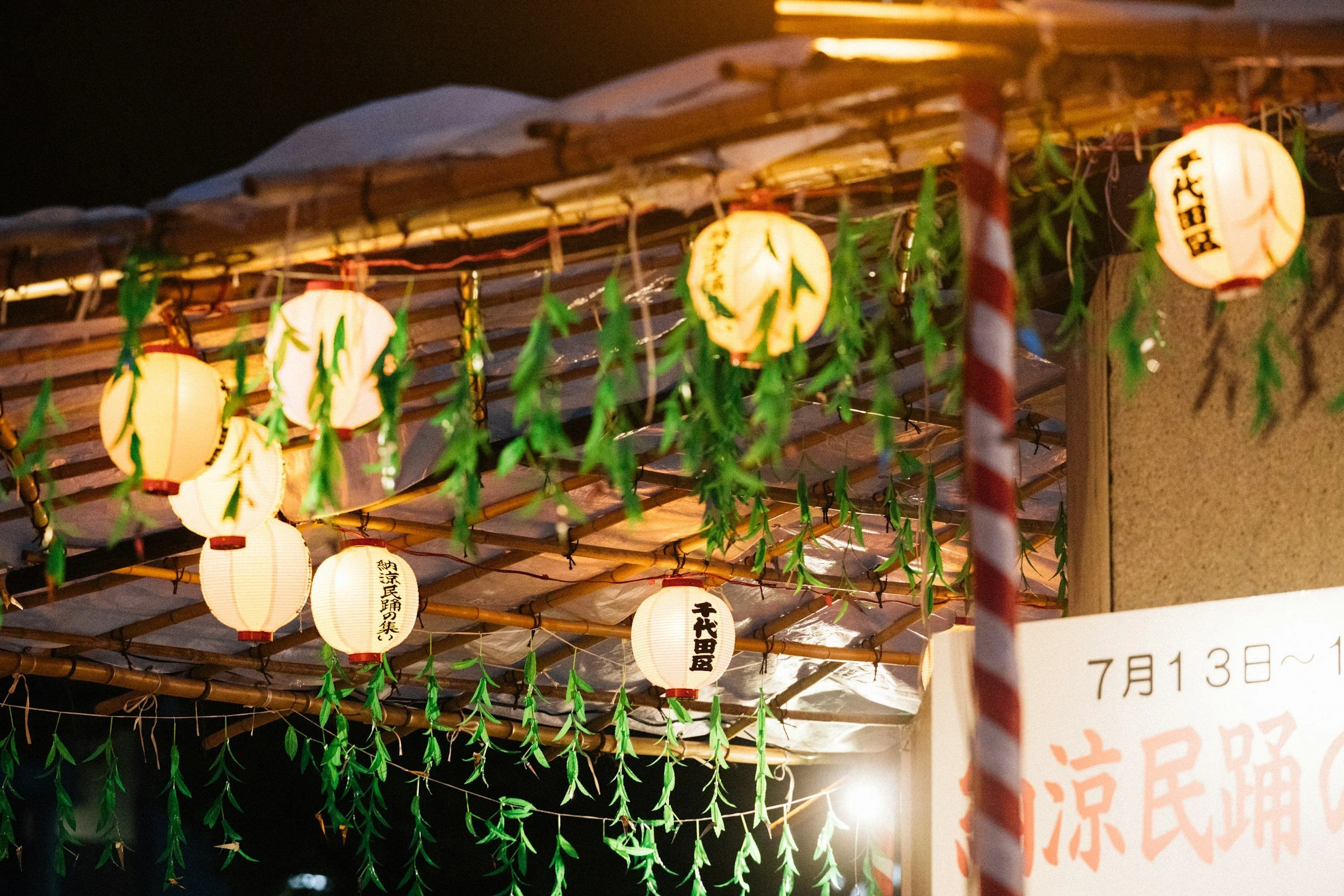
There are other Obon customs, too: offerings placed on a small altar, visits to family graves, Buddhist services, lanterns, dances, and in some places, floating lanterns or elaborate sending-off ceremonies.
The details change from region to region.
But the underlying idea remains familiar:
someone is coming home.
We prepare for them.
We spend time with them.
And then we say goodbye.
Perhaps that is why Obon feels different from simply remembering someone.
It gives remembrance a shape.
A flame.
A bowl of food.
A cucumber with four little legs.
An eggplant waiting beside it.
Small objects, made for a very short journey, carrying an idea that has been passed down for centuries.
Obon is not one fixed tradition, and there is no single way to observe it across Japan. But wherever it is practiced, it remains one of the country's quietest reminders that remembering someone can also be a way of welcoming them home.
A quiet thought
In different parts of the world, there are days set aside to remember those who are no longer with us. Mexico has Día de los Muertos, while Halloween in the United States also carries echoes of an older tradition of remembering the dead.
In Japan, Obon is a time when we welcome the spirits of our ancestors home.
For me, it is also something very personal.
My father is no longer in this world, but during Obon, I like to imagine that he is coming home for a little while.
There is something quietly comforting about that thought.
Perhaps that is what makes Obon special—not simply a tradition passed down through generations, but a few days when the distance between the living and the departed feels just a little smaller.
