Chiikawa: A Cute Little World That Isn’t Quite What It Seems
A small note before you continue:
If you are planning to see the film in theaters, or are waiting for it to become available on Netflix or another streaming service, and would rather go in knowing as little as possible, you may want to stop reading here.
There are no major plot spoilers here, but I will be talking about some of the themes and feelings the film left me with.
What is it about something so small and cute that draws so many adults in?
In Japan, Chiikawa is everywhere. These tiny, round characters have become enormously popular, not only with children but with adults as well.
I knew the characters, of course, but I had never paid much attention to them.
Then I noticed how many people were going to see the film.
So I went to find out what all the fuss was about.
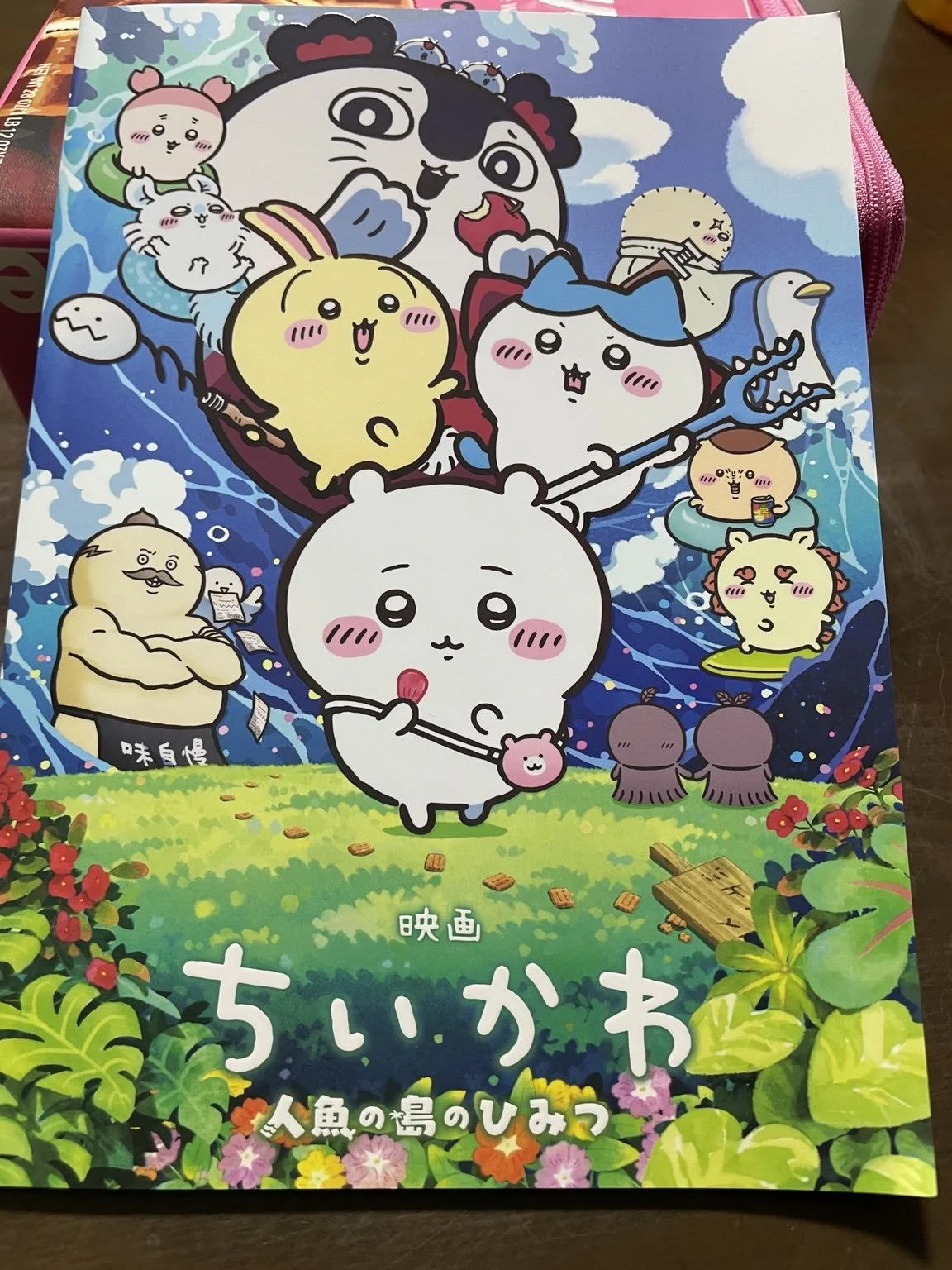
At first glance, Chiikawa looks like a gentle little world: friendships, shared meals, small adventures, and characters helping one another.
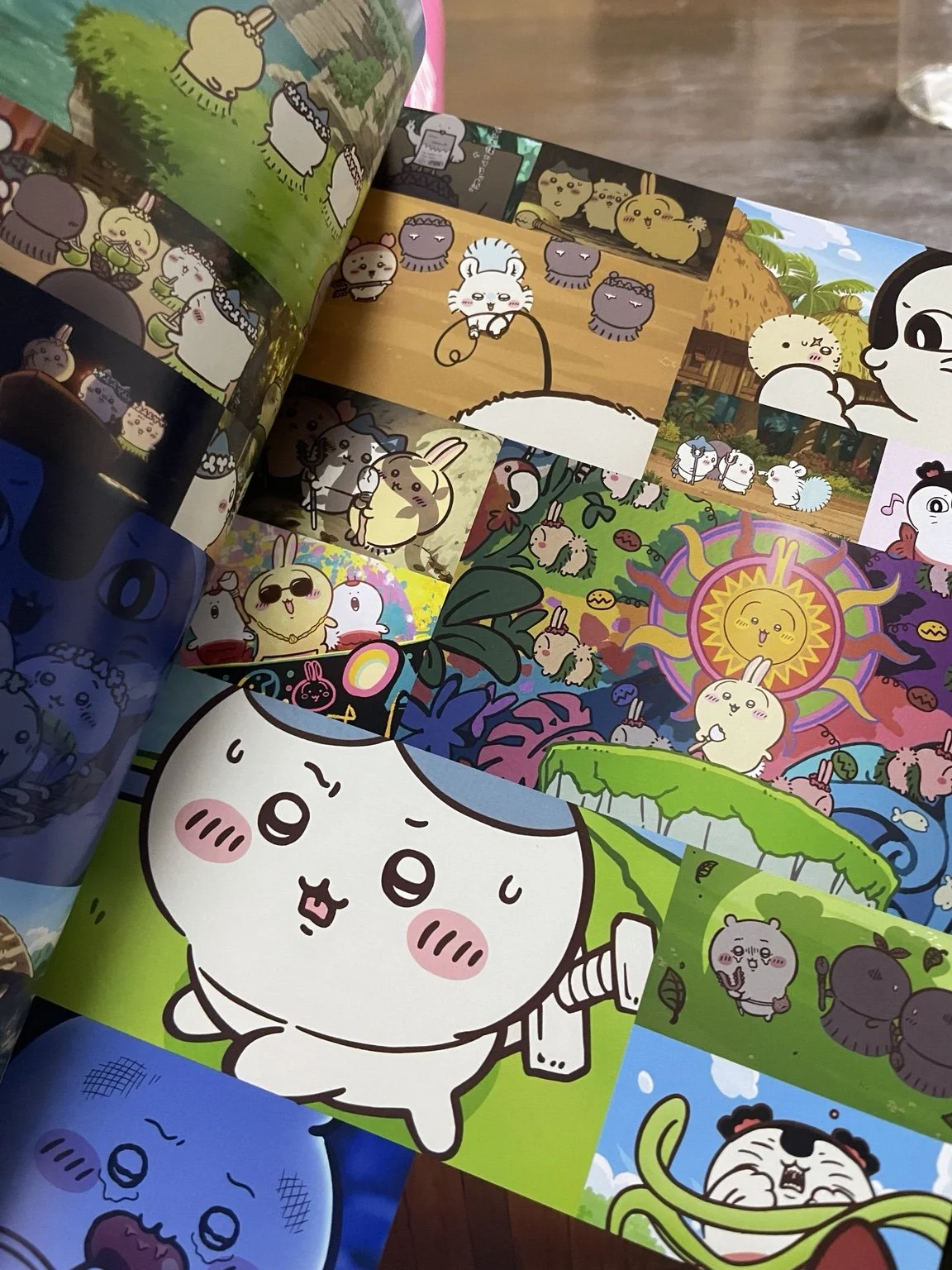
But it doesn't take long to notice that something else is going on beneath all that cuteness.
There is fear.
There is deception.
There are difficult choices, punishment, and even death.
The contrast is surprisingly unsettling.
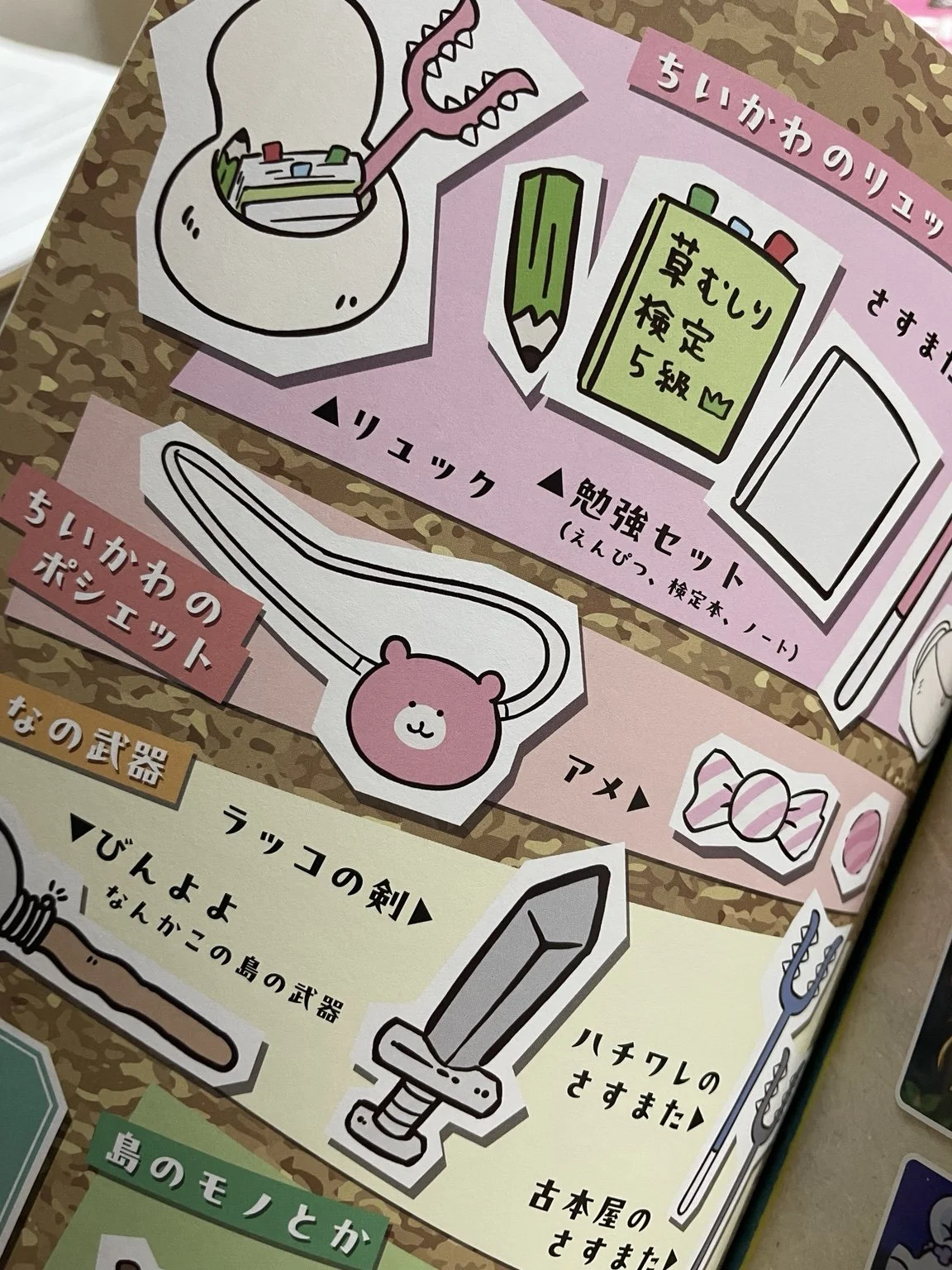
What interested me most was that the darker moments do not always come from a clearly defined villain. Things can begin to go wrong through misunderstandings, different desires, or a decision that seems perfectly reasonable from one character's point of view.
It feels less like a simple battle between good and evil, and more like a series of small misalignments.
One misunderstanding.
One wrong turn.
One decision that makes sense to one person, but not to another.
And before you know it, something much darker has happened.
There is also no traditional hero who simply arrives and makes everything right.
Characters help one another. There is courage, friendship, and sacrifice.
But some problems remain complicated.
And that, strangely enough, made me think about real life.
We often want stories to tell us who was right and who was wrong. We want a clear answer, followed by a satisfying resolution.
But real life rarely works that way.
Sometimes you can understand why someone made a particular choice without agreeing with it.
Sometimes everyone involved has their own reasons.
And sometimes there simply isn't a perfect answer.
That may be part of what makes Chiikawa more interesting than it first appears.
I went into the theater expecting something cute.
I came out thinking about human nature.
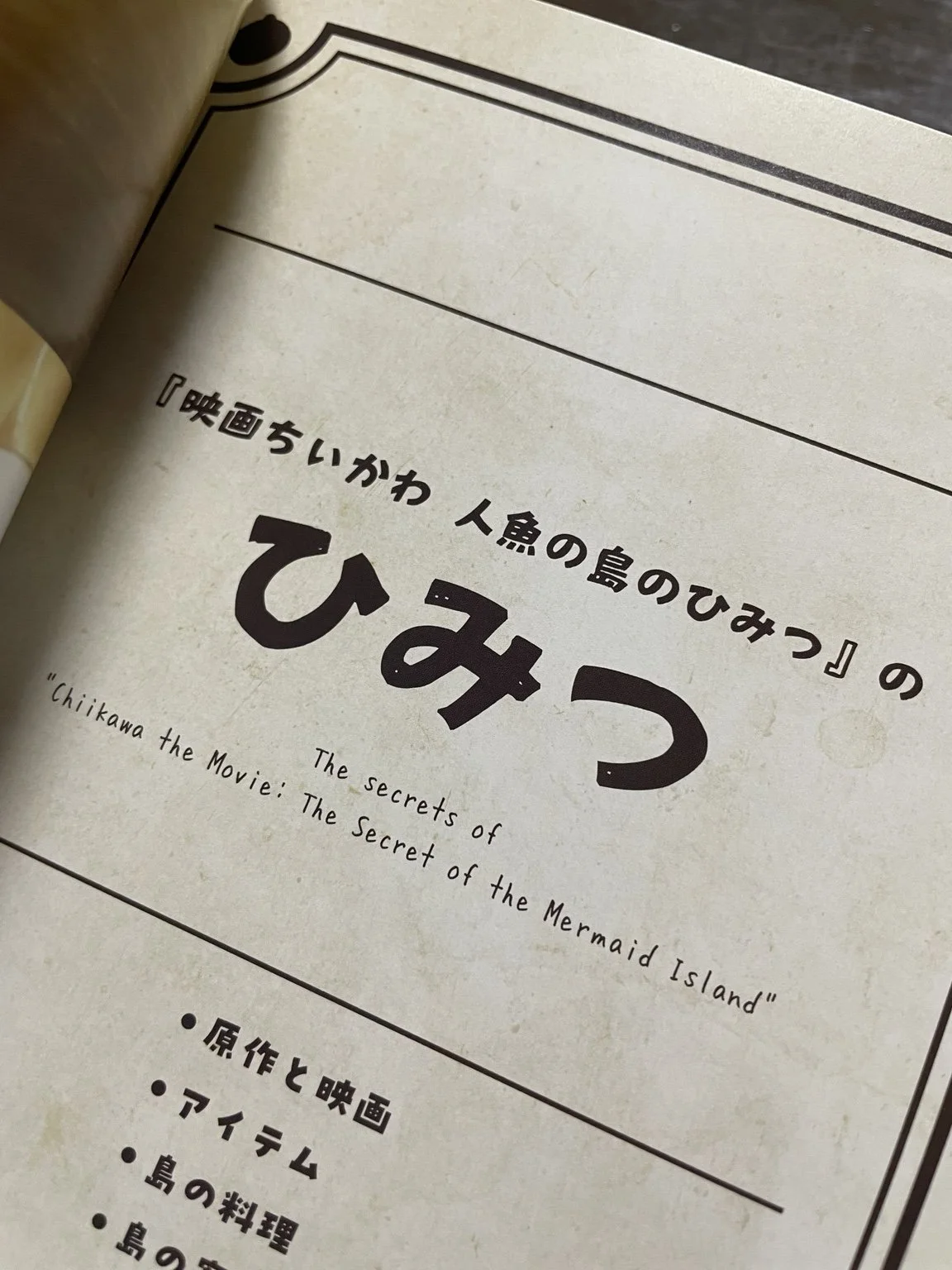
Perhaps this is one of the more interesting sides of Japan's Kawaii culture.
Kawaii does not always mean harmless, cheerful, or purely childlike. Sometimes the softness of a character creates just enough distance for us to look at things that would feel much more difficult if they were presented directly.
Fear.
Loneliness.
Survival.
Relationships.
Loss.
The things we would rather not look at too closely.
Perhaps the cute exterior is not there simply to make something easier to like.
Perhaps, sometimes, it gives us a gentler way in.
That was certainly what happened to me with Chiikawa.
I expected a cute little world.
Instead, I found myself wondering about choices, relationships, and the complicated things people — even very small, fictional ones — do to survive.
I wonder how Chiikawa feels to someone encountering it for the first time outside Japan.
Would you notice the cuteness first, or the darkness underneath it?