
Water, Perhaps More Than Just Water
Japan is an island nation, surrounded by the sea.
Perhaps because of this, I have always felt that water is deeply woven into the Japanese way of life.
Japan is also one of the relatively few countries where tap water is safe to drink. Turn on the faucet, and you can drink the water that comes out.
And yet, in recent years, more and more people in Japan have chosen to buy bottled mineral water instead.
It is not because Japanese tap water is so poor in quality that it cannot be drunk. Far from it.
So why buy water when it is already available at home?
This next part is entirely my own observation, but I think one reason is that many Japanese people are particularly conscious of their health. Even when something is considered safe according to official standards, there are people who would rather avoid it if there is any doubt at all about what might be in it.
Interestingly, there are also people who do not completely trust bottled mineral water.
It is not always a matter of whether something is officially safe or unsafe. For some people, simply knowing that a substance has been detected at all is enough to make them choose something else.
There is another reason, too.
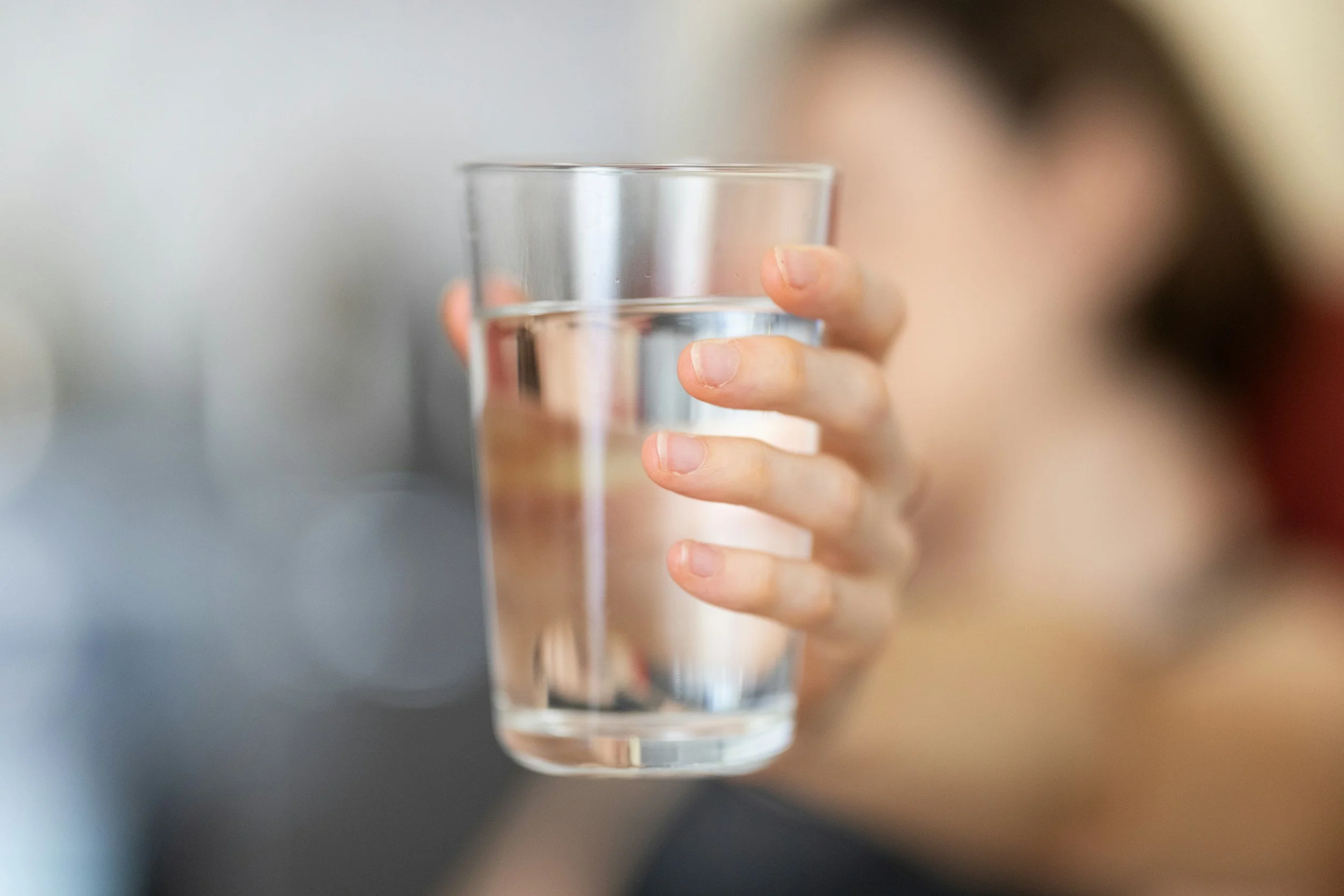
Japanese people can be surprisingly particular about the taste of water.
“Water has a taste?”
It may sound strange, but many Japanese people would understand exactly what that means.
The hardness of water matters. Soft water is generally preferred, and even subtle differences in mineral content can be noticed. Water that feels slightly harder may simply seem unpleasant to someone accustomed to softer water.
And water is not considered separately from what we eat and drink.
The kind of water used to brew tea can affect the way the tea tastes. Different teas can respond differently to the water they are brewed with. For people who care about tea, the water itself is part of the preparation.
In other words, water is not always just the thing that carries the tea.
It is part of the tea.
This sensitivity to water also appears in something very simple: sa-yu.
Written as 白湯, sa-yu literally refers to plain hot water. In Japan, it is common for people of many generations to drink it, particularly in the morning. It is usually made by boiling water—often ordinary tap water—and then allowing it to cool to a comfortable, warm temperature.
Some people begin their day with a cup of sa-yu before breakfast.
It is widely believed in Japan to be good for the body: warming you from within, helping circulation, supporting digestion, and even contributing to healthy-looking skin. Whether all of these benefits can be scientifically established is another question. But the practice itself has become a familiar part of everyday health and beauty culture.
I once heard a Japanese-American television personality tell a story about her father that stayed with me.
When her father attended a school reunion in the United States, some of his old classmates were surprised by how young he looked compared with the others his age. They asked him, one after another, what he was doing. Was he taking some kind of medication? Had he had cosmetic procedures?
He had done none of those things.
He was not taking anything special, nor was he following some extraordinary diet.
Eventually, his friends arrived at their own conclusion:
Perhaps it was the water.
Of course, a story like this is only a story. There is no way to say that water alone explains how young someone looks.
But I understand why the idea felt convincing to them.
Water is one of the simplest things in our lives, and perhaps for that very reason, we rarely stop to think about how much of us depends on it.
We drink it.
We cook with it.
We brew tea with it.
We wash with it.
We bathe in it.
And in Japan, we have spent centuries paying attention to its softness, its taste, its source, and even the way it changes what we eat and drink.
Perhaps water does more than sustain life.
Perhaps, in some quiet way, it also shapes the way we live it.
