
Hojicha — The Japanese Tea That Smells Like Comfort
There is more to Japanese tea than green.
Green tea and matcha may be the teas most closely associated with Japan today.
I love green tea myself. Hot or chilled, it is one of those drinks that simply belongs in everyday Japanese life.
But Japanese tea is much broader than green tea alone. There are many different kinds, much as there are countless varieties of coffee.
And among them, there is one I have always had a particular fondness for:
Hojicha.
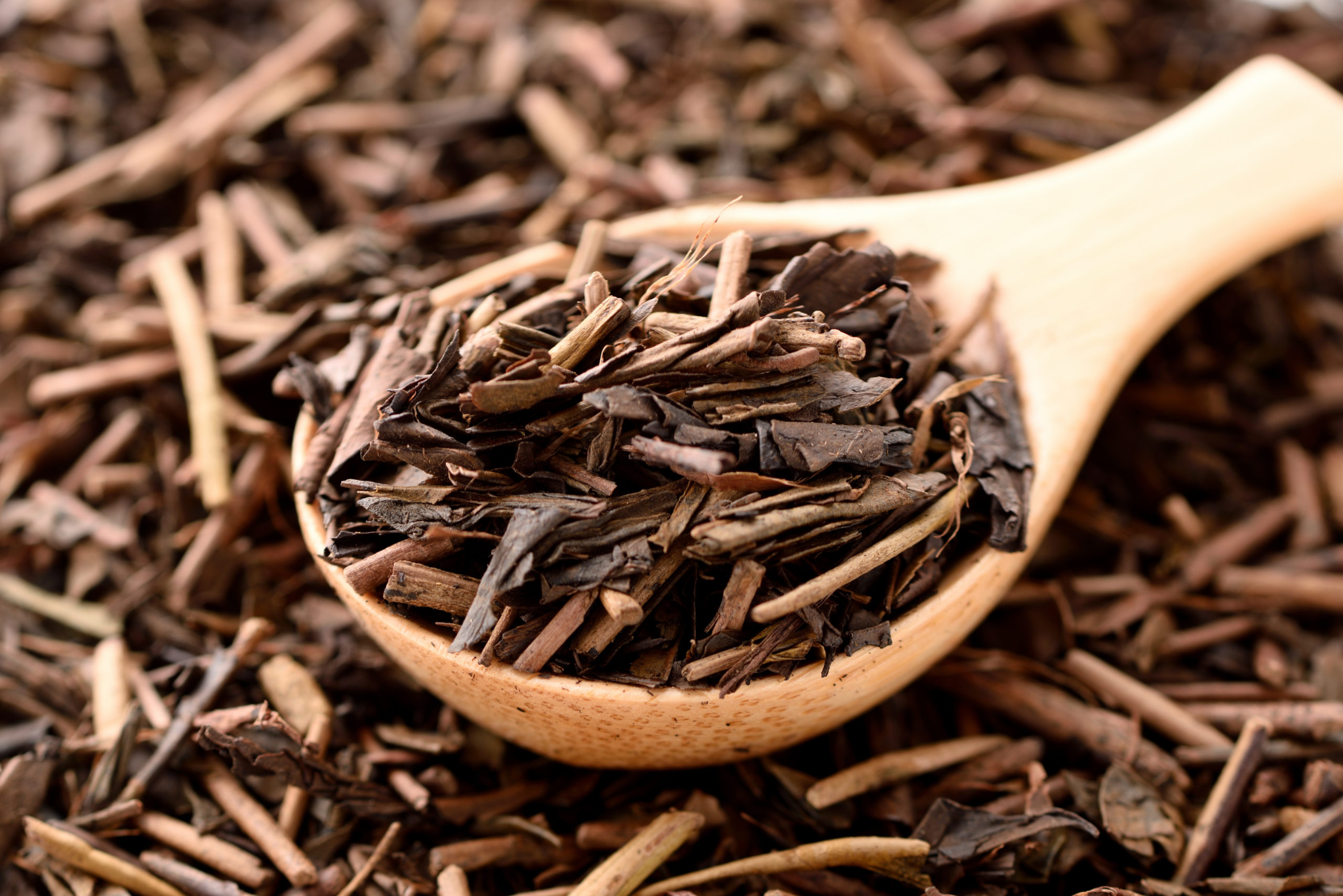
It is, quite simply, roasted tea.
Green tea leaves such as sencha or bancha are roasted over high heat, transforming both their colour and aroma. The finished tea has a beautiful reddish-brown colour, somewhere between green tea and black tea, with a warm, toasted fragrance.
In a way, it is a small step toward coffee.
But before you drink it, I have one thing I would really like you to try.
Smell it first.
Smell It Before You Drink It
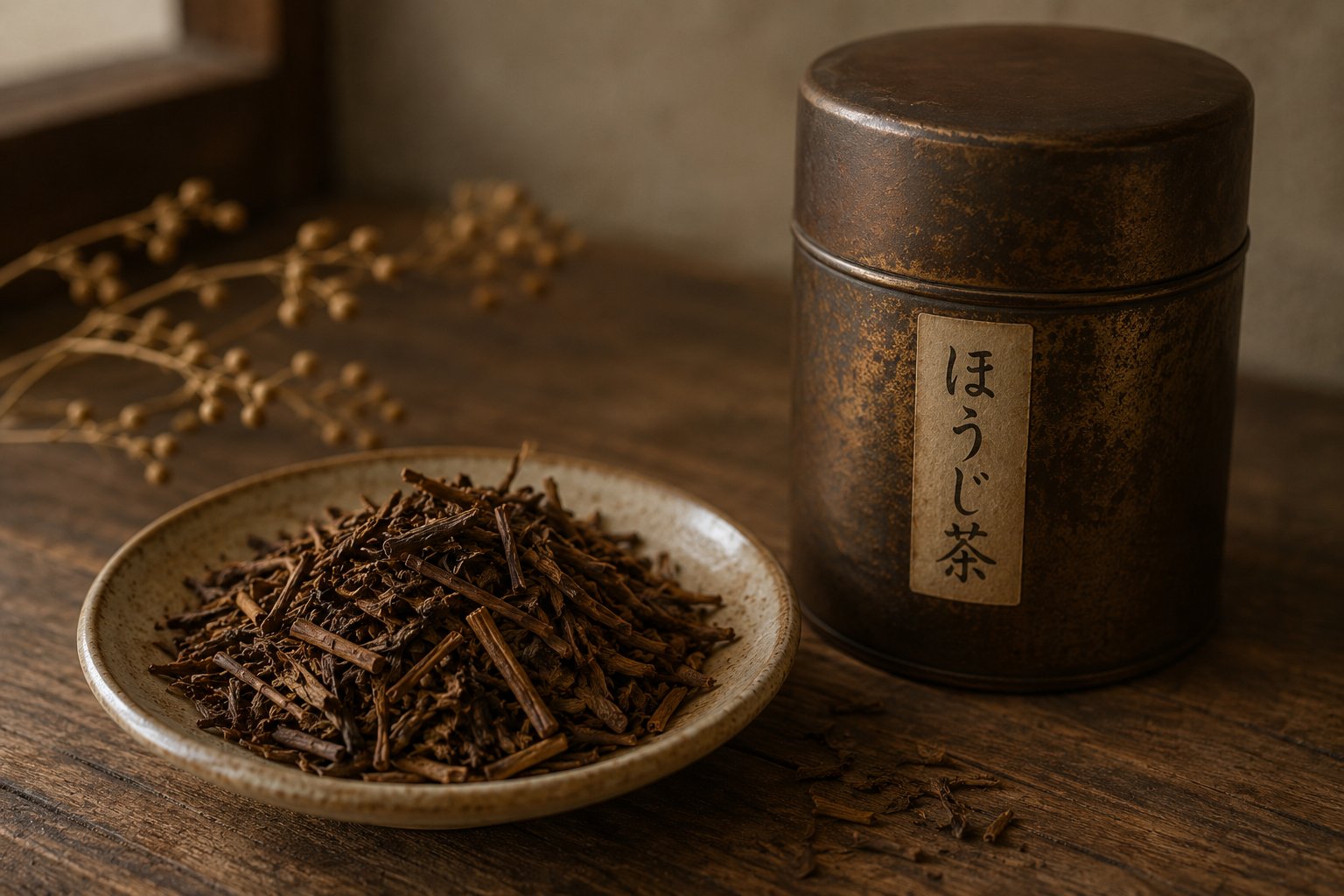
Open the tea canister and smell the dry leaves before you make your tea.
The aroma is deep, warm, and wonderfully toasty. It is one of those scents that seems to arrive before the drink itself.
Some of that roasted aroma comes from compounds called pyrazines, which are also found in other roasted foods and contribute to that familiar warm, toasted character.
And hojicha has another quality that makes it especially enjoyable as a drink: its savoury, rounded character, with theanine contributing to its umami taste.
You don't need to know any of this to enjoy it, of course.
Just smell it.
In fact, there is something else I sometimes like to do.
Before reaching for my usual perfume in the morning, I open the tea canister and take a slow breath of hojicha.
It is a small way to clear the senses before the day begins.
Then I put on my usual fragrance.
Sometimes, after that first warm, roasted scent, I notice the perfume a little differently.
Perhaps that is one of the pleasures of tea that is easy to overlook.
You can enjoy it with your mouth, but you can also enjoy it with your nose.
A Tea for Everyday Life
Hojicha is not a tea that asks for ceremony.
It is an everyday tea.
It goes beautifully with food, which is one reason it is often served after meals in Japan. Its roasted character and clean, light finish make it an easy companion to Japanese food.
It is also generally considered gentler than many other green teas, and its caffeine content can be lower depending on the leaves used and how the tea is brewed.
For me, though, the appeal is much simpler.
It feels comfortable.
There is something about a warm cup of hojicha after a meal that makes the day feel a little quieter.
The Tea I Remember by Its Smell
There is one hojicha I remember particularly well.
Years ago, I bought hojicha from Tsujiri, a long-established tea house in Kyoto.
I brought it home and opened the tea canister.
The smell was wonderful.
So rich, so fragrant, so unmistakably roasted.
I remember thinking that I could happily keep smelling it forever.
It is funny how a scent can stay with you.
I don't remember every cup of tea I have ever had.
But I remember that smell.
Perhaps that is why hojicha feels like more than just another kind of tea to me.
A Little Beyond Matcha
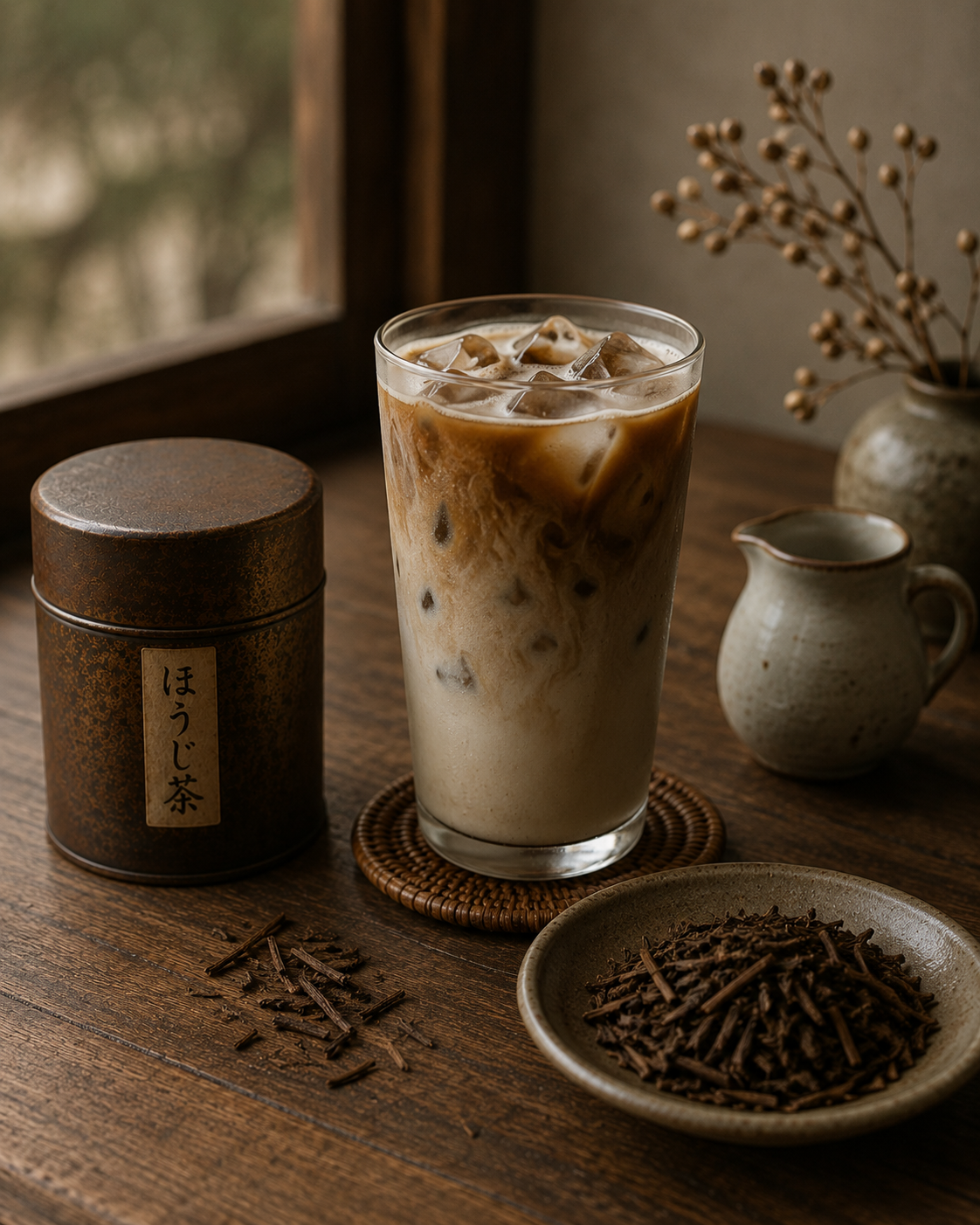
Hojicha is especially comforting from autumn into winter, when a warm cup feels just right.
And if you like matcha lattes, don't stop there.
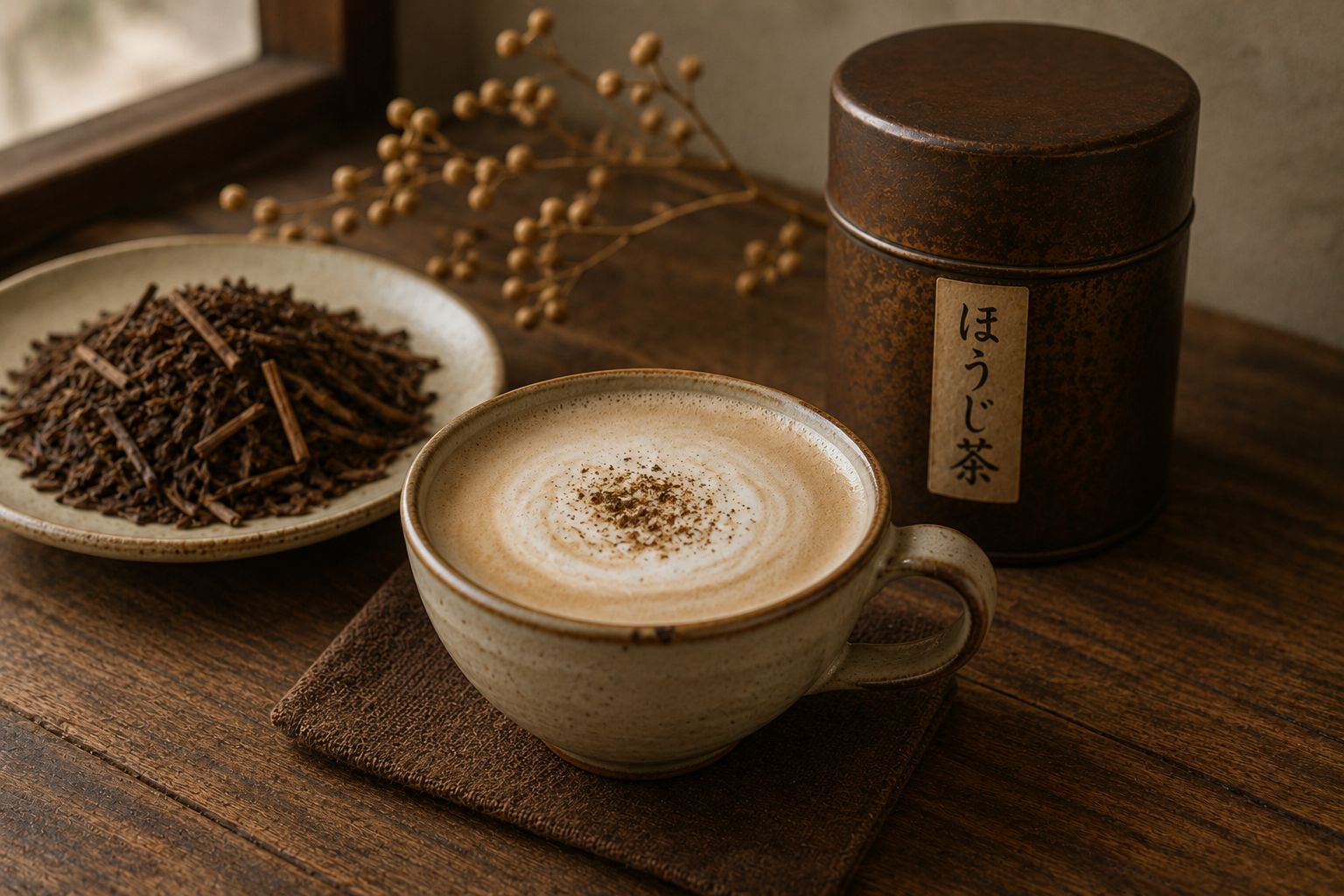
Hojicha lattes are delicious, too.
Because the tea leaves are roasted, hojicha has a naturally deep, toasty character that works beautifully with milk—much like coffee does.
The result is mellow, fragrant, and surprisingly satisfying.
Matcha may be the Japanese tea everyone knows.
But if you want to look a little beyond the obvious, try hojicha.
It might be one of the quieter ways to discover Japan.
And next time you see a canister of brown tea leaves, don't rush to brew it.
**Open it first.
Take a breath.
The best part may begin before the first sip.**
↓ Ippodo is another favourite of mine, but it seems to be out of stock at the moment. Such a shame...
