On the quiet relationship between the sacred and everyday life in Japan.
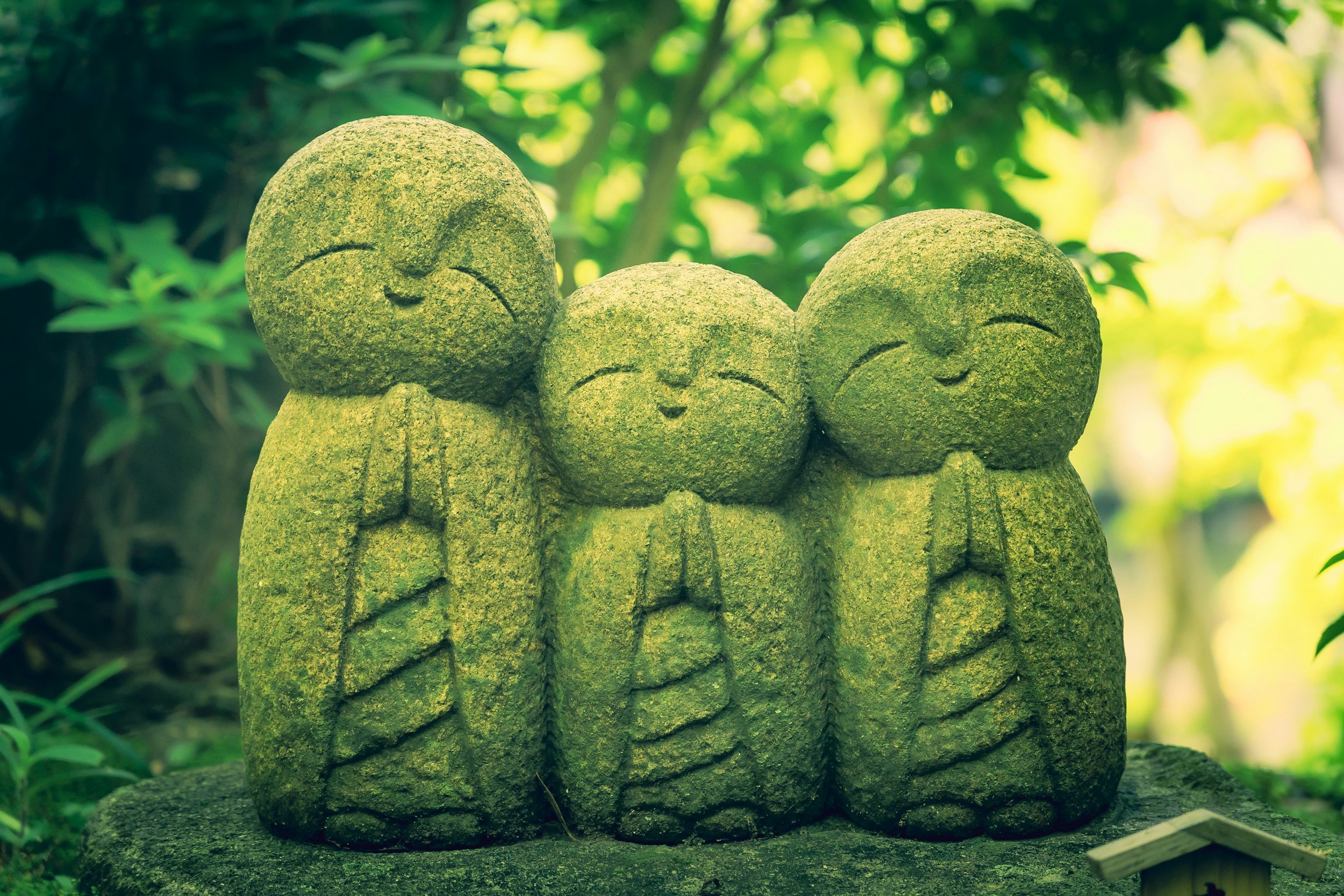
Walk through the streets of Japan, and you may notice something small.
A little statue standing beside a road. A shrine tucked between buildings. An old tree left standing where the road bends around it.
Some of these places are easy to pass without a second glance. Others have been cared for by generations of people who felt there was something worth protecting.
In Japan, the sacred is not always somewhere far away. Sometimes, it is right there beside us.
A World Full of Gods
There is a Japanese expression, yaoyorozu no kami — the eight million gods. The number is not meant to be counted. It evokes a world in which countless kami may be found in nature and in the things around us.
A mountain, the sea, an ancient tree, a place that has quietly watched over a community for generations.
A roadside Jizō statue, meanwhile, belongs to Buddhist tradition rather than Shinto. Yet both kami and Buddhas have found places in the everyday spiritual landscape of Japan, often close to the lives of ordinary people.
Perhaps this is one reason the sacred can feel so near here. It does not always ask to be explained. Sometimes, it is simply something people learn to treat with care.
The Things We Choose to Protect
There are trees in Japan that remain standing even when a road has been built around them. The reasons vary from place to place: local history, practical decisions, conservation, or the belief that something sacred resides there.
For some people, cutting down such a tree would feel like more than removing an obstacle. It would mean losing something that deserves respect.
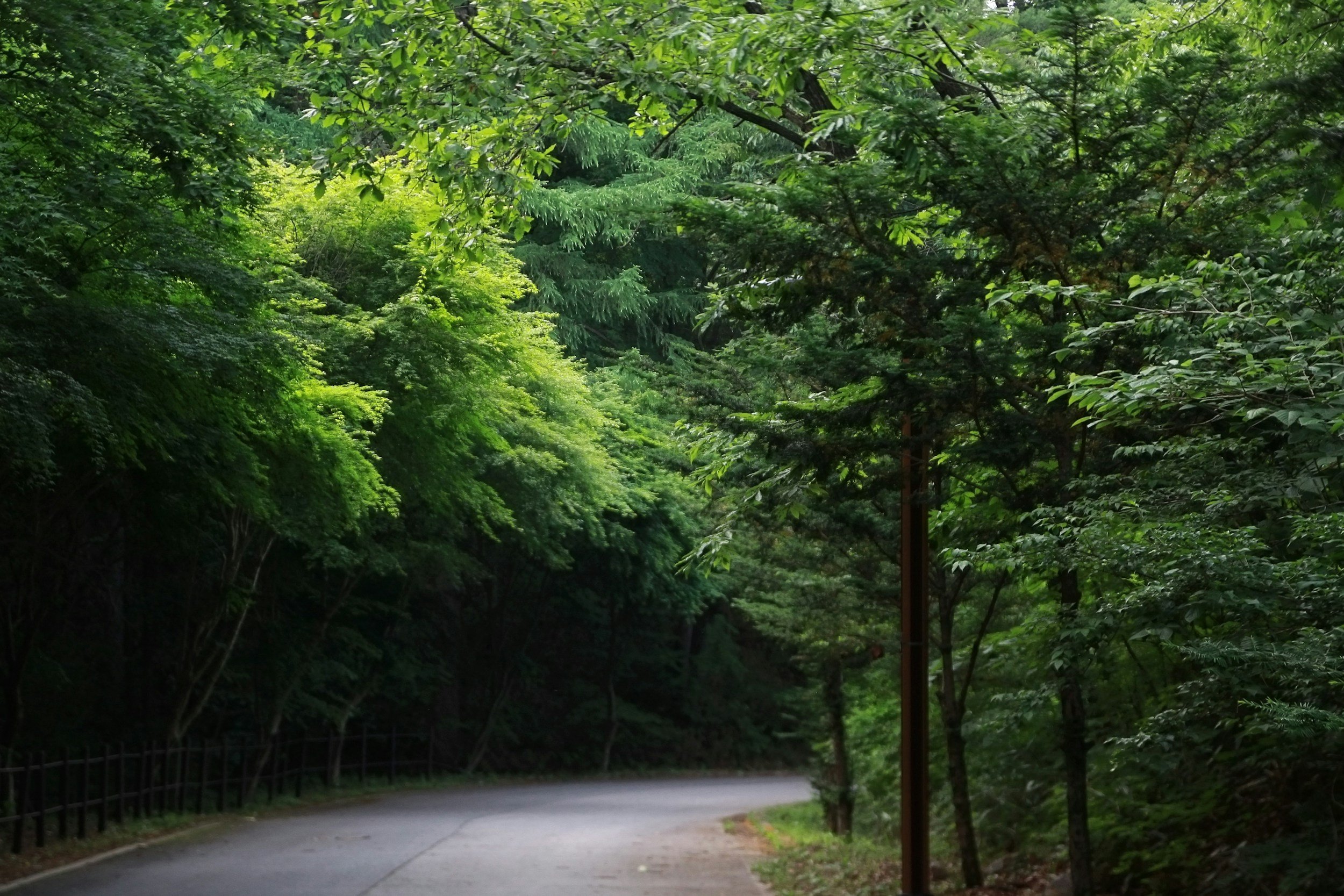
You do not have to prove that a spirit lives in a tree to understand why someone might wish to protect it.
The same feeling can appear in smaller, more ordinary ways. Someone may tidy the space around a roadside statue, leave flowers for Jizō, or speak to a car before beginning a day's work.
“Let's have a good day together.”
The car may not hear the words. But the person saying them may approach the day, and the machine entrusted with their safety, a little differently.
Perhaps what matters is not whether the unseen can be proven. Perhaps it is what changes in us when we choose to treat something with care.
A Quiet Kind of Respect
Visitors to Japan often remark on how clean the streets are. There are many reasons for this, including public habits, social expectations, and the effort of people who maintain shared spaces.
But I wonder whether, for some people, there is something more personal behind the simple act of keeping a place clean.
A place has given you a moment of peace. A mountain has helped you breathe a little easier. The sea has made your worries feel smaller. A stadium has given you a memory you will carry for years.
When you leave, perhaps you want to leave the place as you found it — or a little better.
Not to be praised. Not to prove that you are a good person. Simply because the place has given you something, and you feel moved to give a little care in return.
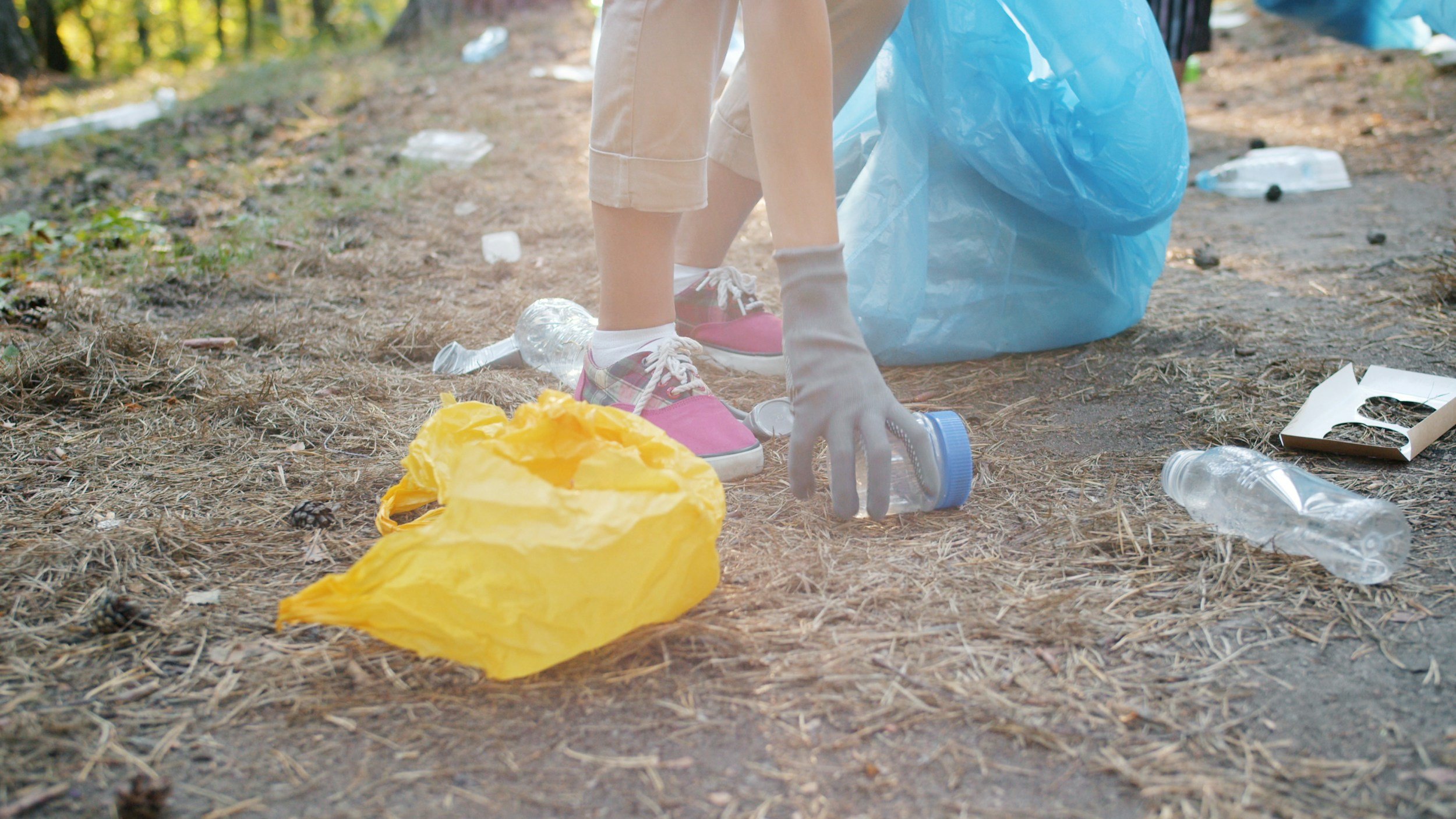
Respect does not always need to announce itself. Sometimes, it is as quiet as picking up what someone else has left behind.
Living With What Is Sacred
Japanese life brings together many traditions and customs. People may visit a Shinto shrine at New Year, celebrate Tanabata, attend a wedding in a church, enjoy Halloween, and exchange gifts at Christmas.
These occasions have different histories and meanings. Not everyone observes them, and Japan's past is not without religious conflict or intolerance.
Still, everyday life here offers a familiar sight: customs from different traditions existing side by side, often without requiring people to choose just one way of seeing the world.
Perhaps the idea of yaoyorozu no kami offers one way to understand this openness. When the world is imagined as full of many sacred presences, it may be easier to make room for more than one.
This is not the only way to understand Japan, nor does it describe every Japanese person. It is simply one perspective from which to look at the country — and at the quiet ways people relate to what they hold sacred.
The Gods, and Those Who Care for Them
I find something meaningful in the relationship between people and the gods of Japan.
The gods watch over the world of the living.
And we, the living, quietly protect them in return.
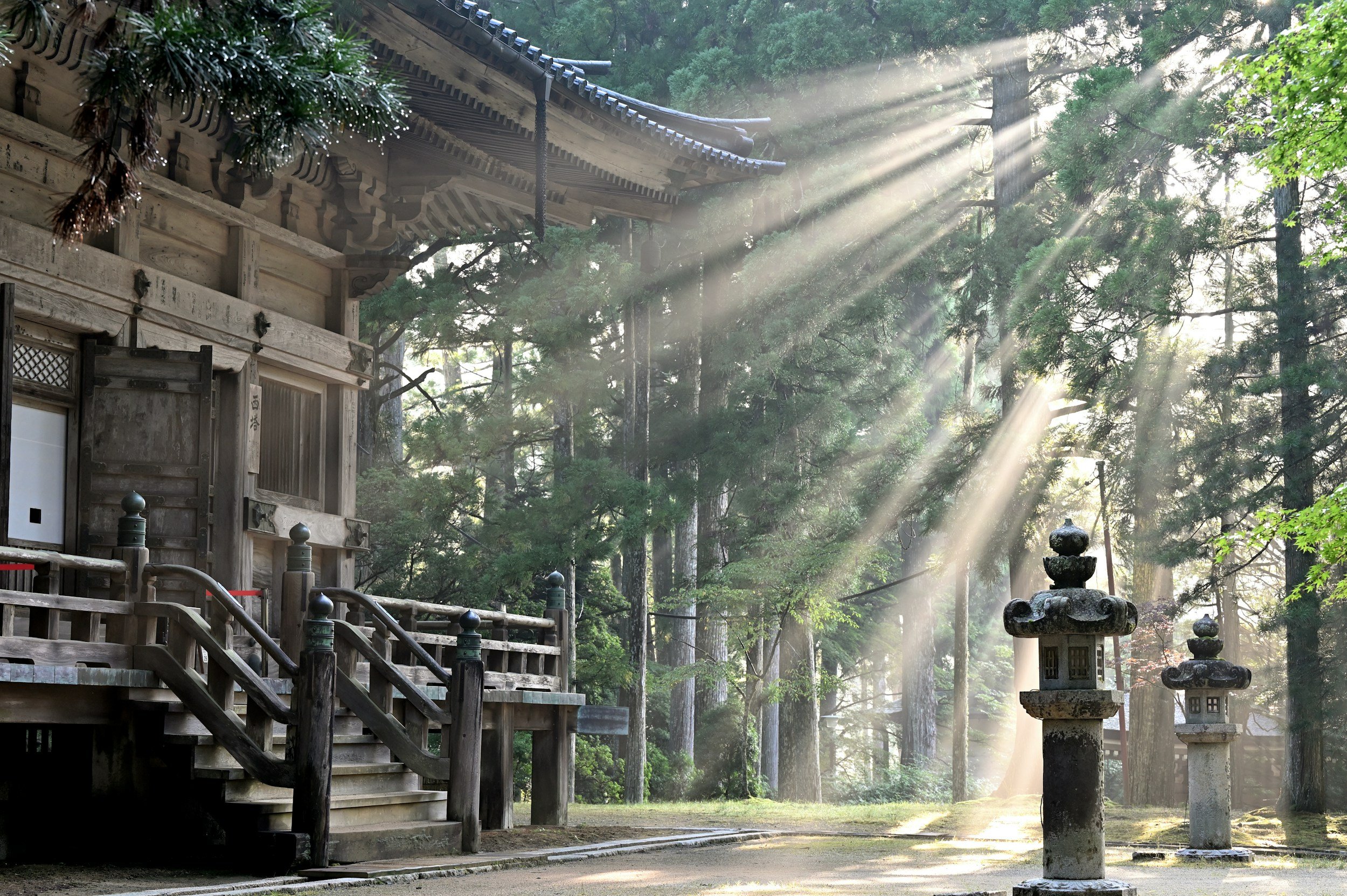
We care for the places where they are believed to dwell. We preserve the trees that have become part of a community's memory. We keep small shrines and roadside statues from being forgotten. We pass these places on to those who come after us.
It is not only a matter of asking to be protected. It is also a way of taking responsibility for something beyond ourselves.
Perhaps peace does not require everyone to believe in the same thing. Perhaps it begins when we can care for what is sacred to us without destroying what is sacred to someone else.
If you visit Japan, I hope you will notice these small places.
A statue beside a road. A tree that has outlived the street around it. A quiet corner someone has taken the time to care for.
You do not need to share the beliefs behind them. You only need to pause, and consider why someone might have chosen to protect them.
In that quiet moment, you may catch a glimpse of a different way of living with the world.