
Why Japanese Crafts Still Matter
When people think of Japanese craftsmanship, they often imagine delicate ceramics, elegant lacquerware, or beautifully woven textiles.
But what makes these objects special is not only the way they are made.
It is the way they are lived with.
In Japan, many objects are created not to impress, but to quietly become part of everyday life. A tea cup passed from one generation to the next, a bamboo basket that ages gracefully over time, or a simple bowl that becomes more familiar with every meal.
Perhaps this is why Japanese crafts continue to resonate across generations.
They remind us that beauty does not always ask to be noticed.
Sometimes, it simply stays beside us.
A Living Tradition
Japanese traditional crafts are often described as cultural treasures, but they are much more than historical artifacts.
They continue to evolve through everyday use.
Each region has developed its own materials, techniques, and aesthetics, shaped by local landscapes, climate, and history. Rather than preserving the past unchanged, these traditions continue to find new meaning in contemporary life.
This is why Japanese craftsmanship feels timeless.
It is not frozen in history.
It continues to live with us.
Objects That Carry Place
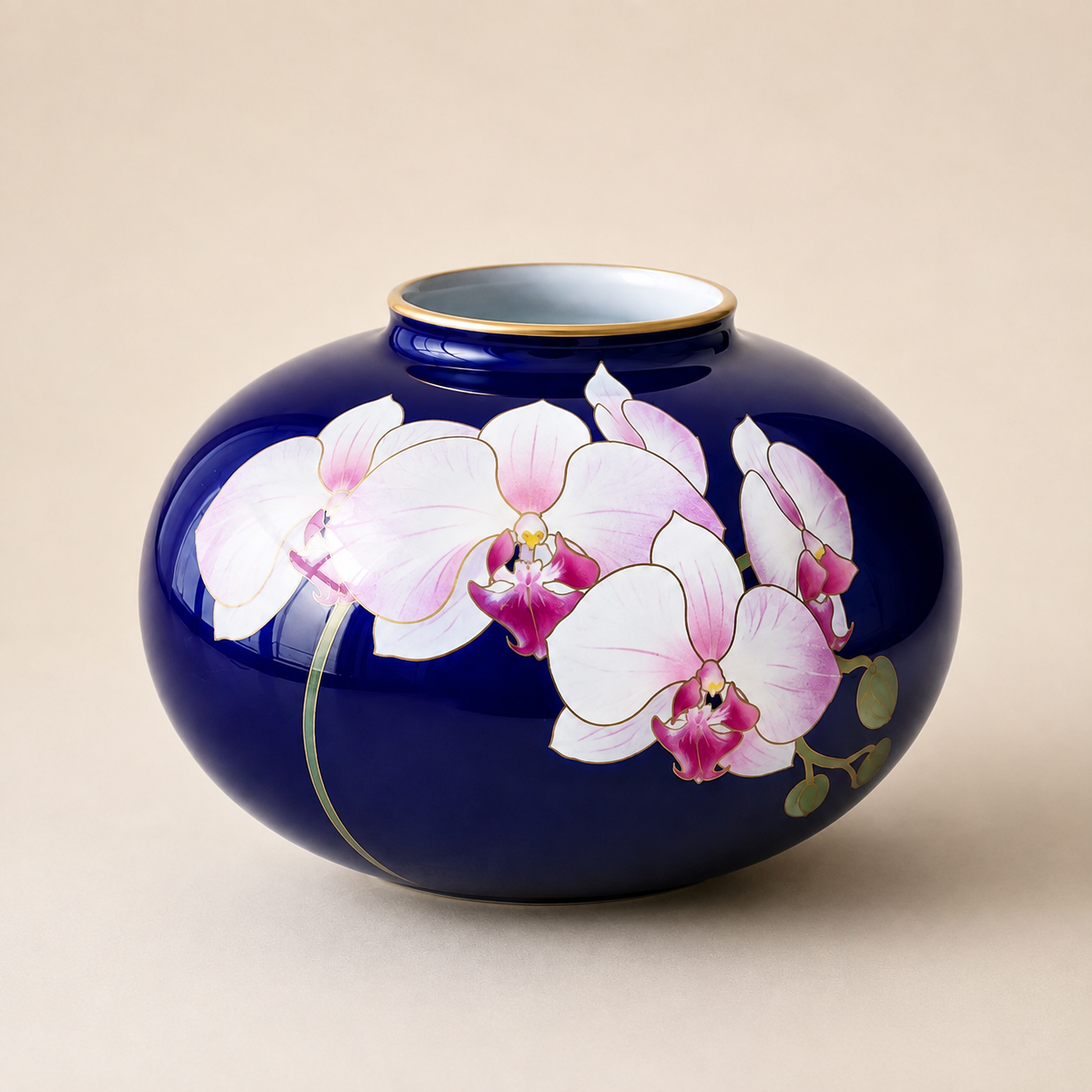
Across Japan, every region tells its own story through the objects it creates.
Arita ware is admired for its refined porcelain and delicate blue decoration.
Shigaraki ware embraces natural textures and quiet imperfections, making every piece beautifully unique.
Wajima lacquerware is celebrated for its remarkable durability and deep, elegant finish.
Nishijin textiles reflect centuries of weaving traditions, combining extraordinary craftsmanship with graceful design.
Each object carries more than its material.
It carries the memory of the place where it was born.
Made to Be Used
Many Japanese crafts were never intended to become museum pieces.
They were made for everyday life.
To prepare tea.
To serve a meal.
To hold flowers.
To accompany ordinary moments that quietly become meaningful over time.
The marks left through years of use are not imperfections.
They are part of an object's story.
Beauty That Lasts
Today, these traditions continue to inspire people around the world.
Not because they belong to the past—
but because they remind us to slow down.
To appreciate thoughtful design.
To choose objects that are made to stay with us rather than be quickly replaced.
In a world that moves ever faster, they quietly offer another way of living.
Why We Share These Stories
At Objects A Story, we believe beautiful objects deserve more than admiration.
They deserve to be understood.
To be lived with.
To become part of everyday life.
Every object carries the hands that shaped it, the place it came from, and the people who choose to welcome it into their homes.
By sharing these stories, we hope to create connections that reach beyond countries, cultures, and languages.
Because stories connect people before products do.
