
The Beauty of Japan Through the Seasons
Spring – Cherry Blossoms
Every spring, cherry blossoms bloom across Japan, transforming parks, riversides, and streets into soft shades of pink. Famous viewing spots include Ueno Park in Tokyo and the Philosopher's Path in Kyoto. Because the blossoms last only a short time, their fleeting beauty has long been cherished. The tradition of hanami—gathering beneath the blossoms with family and friends to enjoy food and conversation—is one of Japan's most beloved seasonal customs.
Summer – Lush Green Landscapes
As summer arrives, forests, mountains, and countryside become rich with vibrant greenery. The highlands of Nagano and the vast natural scenery of Hokkaido offer peaceful retreats from city life. Hiking, camping, and spending time outdoors beneath clear blue skies are among the simple pleasures of the season.
Autumn – Brilliant Maple Leaves
Autumn is perhaps Japan's most colorful season. Mountains, temples, and gardens are painted in brilliant shades of red, orange, and gold. Kyoto is especially famous for its autumn foliage, with places such as Arashiyama and Kiyomizu-dera attracting visitors from around the world. Enjoying the changing leaves has become a cherished tradition that celebrates the beauty of impermanence.
Winter – Snow-Covered Landscapes
Winter brings quiet beauty to many parts of Japan. Snow blankets the mountains of Hokkaido and Shinshu, creating breathtaking scenery and opportunities for skiing and snowboarding. In hot spring towns, soaking in an outdoor bath while surrounded by falling snow is an unforgettable experience that embodies the peaceful charm of the season.
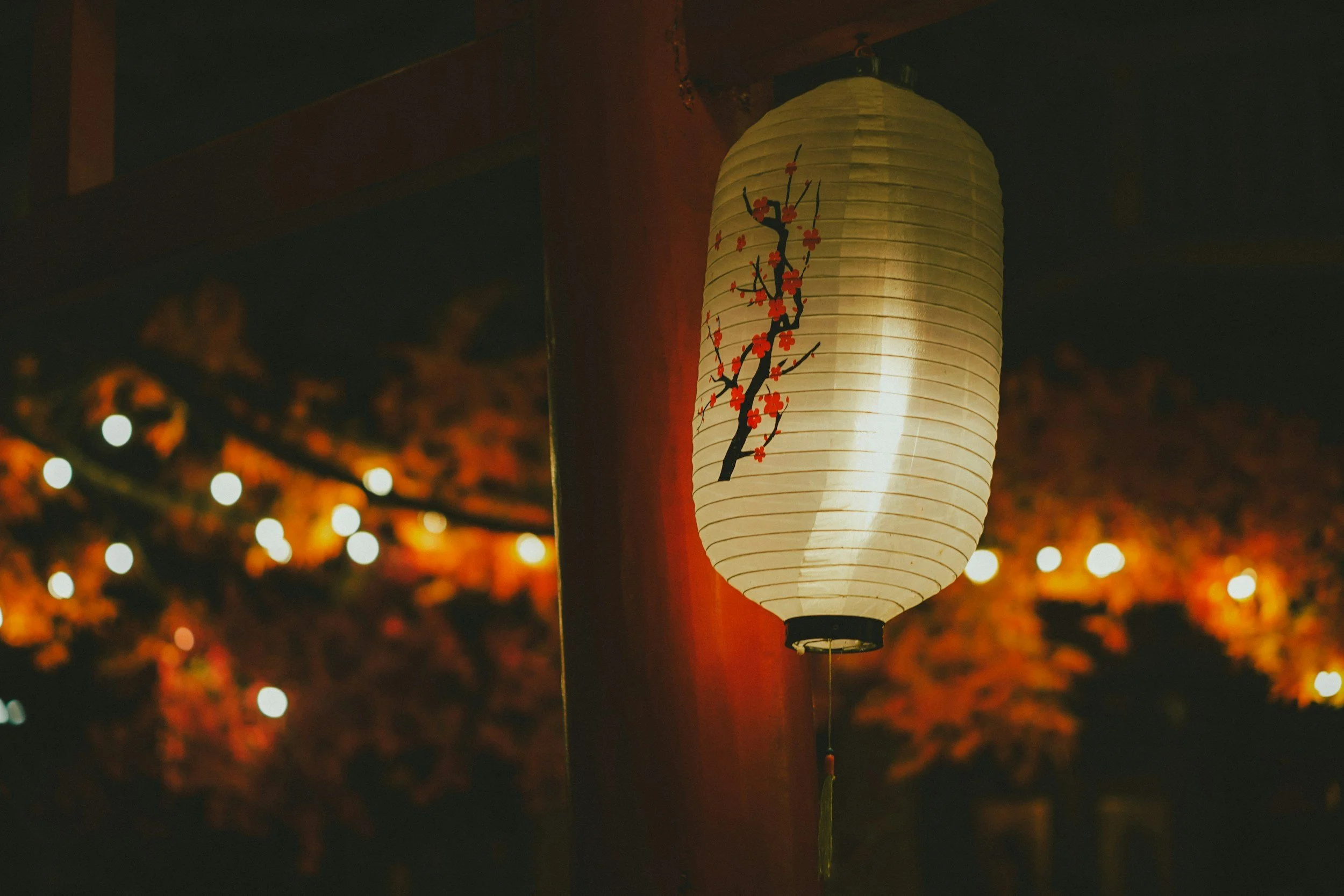
Japan's Historic Landmarks
Kyoto – The Ancient Capital
Kyoto preserves centuries of Japanese history and culture. Countless temples, shrines, and traditional streets offer visitors a glimpse into Japan's heritage. Landmarks such as Kinkaku-ji, Ginkaku-ji, and Kiyomizu-dera are admired for their timeless architecture and harmonious relationship with nature.
Nara – The Great Buddha
Home to the UNESCO World Heritage site Todai-ji Temple, Nara is famous for its magnificent Great Buddha. Visitors can also stroll through Nara Park, where friendly deer roam freely among historic temples and gardens, creating a unique atmosphere found nowhere else.
Mount Fuji
Mount Fuji is Japan's most iconic natural landmark. Its graceful silhouette has inspired artists, poets, and travelers for centuries. The surrounding Fuji Five Lakes offer spectacular views throughout the year, while climbing the mountain remains a memorable experience for many visitors.
Where Culture Meets Landscape
Japan's landscapes are deeply intertwined with its cultural traditions. Arts such as the tea ceremony, flower arrangement (ikebana), and traditional gardens all reflect a profound appreciation for nature. These practices encourage mindfulness and reveal beauty in everyday life.
Traditional Festivals
Festivals throughout Japan celebrate the connection between local communities, history, and the changing seasons. Events such as the Nebuta Festival in Aomori and the Gion Festival in Kyoto bring generations together while preserving regional traditions and creating unforgettable scenery.
Contemporary Art and Nature
Modern art has introduced new ways of experiencing Japan's landscapes. Places like Naoshima and many contemporary galleries throughout Tokyo blend art with architecture and nature, offering visitors fresh perspectives and inspiring experiences.
The Influence of Beautiful Landscapes on Daily Life
Japan's natural beauty enriches everyday living. Time spent among mountains, forests, gardens, or the sea brings moments of calm, reduces stress, and deepens our appreciation for the places we call home.
Connecting with Nature
Whether taking a walk through a neighborhood park or traveling to the mountains or coast, spending time in nature supports both physical and emotional well-being. For many people living in cities, these quiet moments are especially valuable.
Rediscovering Local Beauty
Exploring nearby landscapes often reveals unexpected treasures. Visiting local historical sites, gardens, or hidden corners allows us to appreciate the culture and history that shape our communities while fostering a deeper sense of belonging.
Conclusion
Japan's landscapes are more than beautiful scenery—they are a reflection of history, culture, and everyday life. From the changing seasons to ancient landmarks and enduring traditions, these places continue to inspire people around the world. By taking time to experience them, we not only discover Japan's beauty but also find moments of peace and connection in our own lives.
